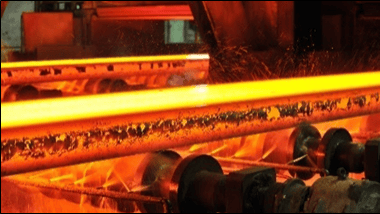
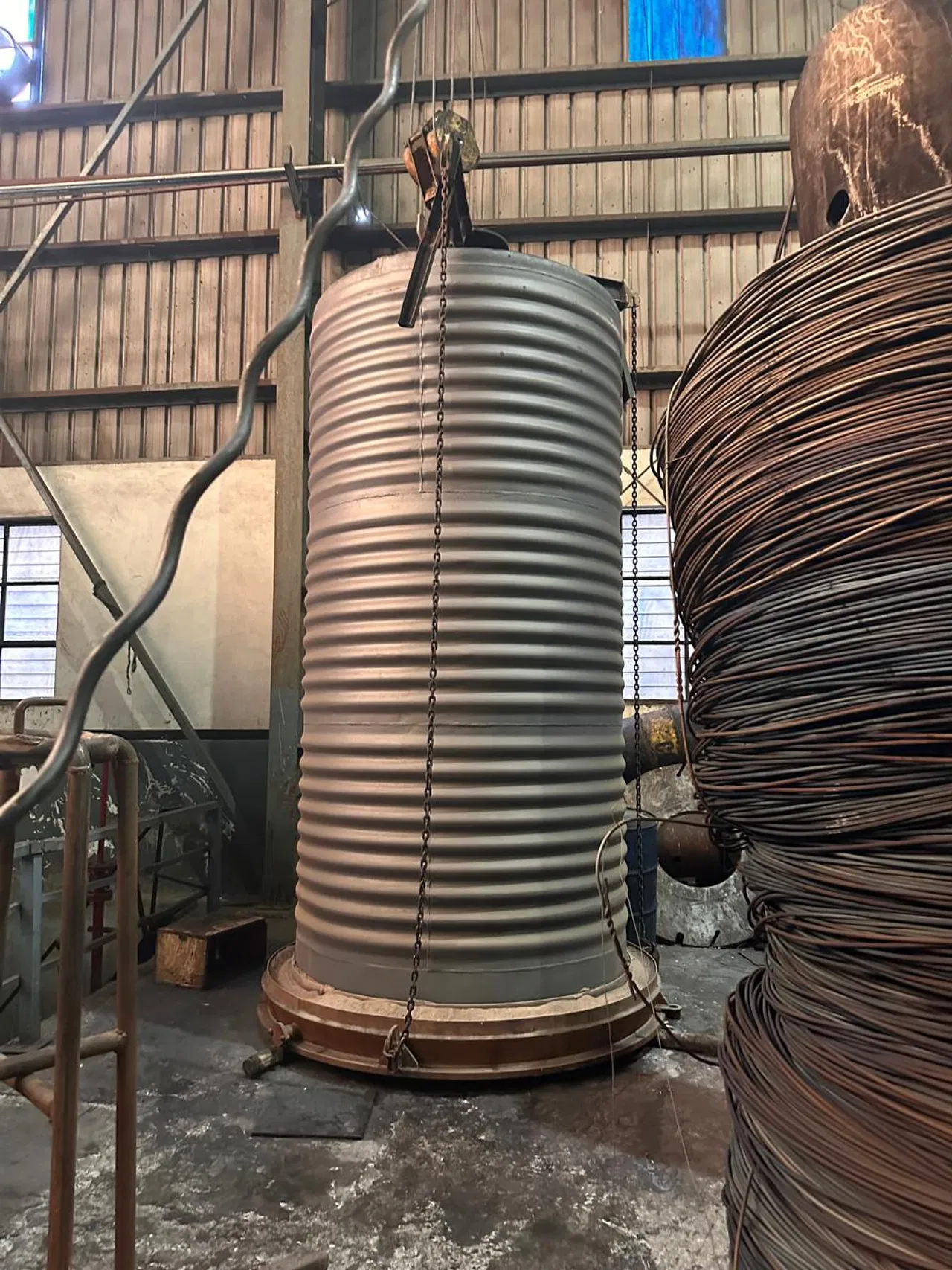
The wire and cable industry is entering 2026 with a clear mandate: increase conductivity, protect surface quality, reduce energy per tonne and eliminate avoidable handling between process stages. Thermal processing is central to achieving all four objectives.
From rod breakdown and drawing to annealing, patenting, strand treatment, tinning and continuous hot dip galvanizing, every thermal cycle affects yield, mechanical performance and operating cost. The most competitive plants are no longer treating furnaces as isolated assets. They are developing connected industrial furnace systems that coordinate temperature, atmosphere, line speed, cooling and downstream coating requirements.
Continental Furnaces brings more than 35 years of thermal engineering experience to this transition, combining customized equipment, energy-efficient design, furnace conversion expertise and responsive lifecycle service for the wire and cable industry.
The 2026 Thermal Processing Architecture
A high-performance wire operation typically links the following stages:
- Steel or aluminum melting upstream in a dedicated melting furnace for steel or aluminum melting furnace
- Rod casting and, where applicable, integration with a CCM/CCR or steel rolling mill
- Rod breakdown and multi-pass drawing
- In-line or batch annealing
- Patenting for high-carbon steel wire
- Strand annealing and controlled cooling
- Pickling, fluxing, tinning or continuous hot dip galvanizing plant treatment
- Inspection, spooling and finished cable production
Thermal performance must be measured across the entire chain. A furnace that achieves temperature uniformity but creates oxide scale, excessive drag-out or long cooling delays is not delivering true process efficiency.

Annealing: Conductivity Begins with Thermal Consistency
Drawing increases strength but also creates work hardening, reduced ductility and, in copper and aluminum, a loss of electrical conductivity. Annealing restores the required balance between flexibility, elongation and conductivity.
Modern heat treatment furnaces for wire production are designed around:
- Precise temperature uniformity across every wire path
- Stable line speed and tension control
- Short thermal response time
- Protective atmospheres to suppress oxidation
- Controlled cooling before stranding or further forming
- Recipe management for different alloys and diameters
For copper, aluminum and alloy conductors, the thermal cycle must be matched to the material condition and final conductivity specification. Recent process developments cited in cable-industry patent literature include controlled annealing windows such as 280–320°C for copper-clad aluminum applications and 250–300°C isothermal treatment for selected aluminum alloys. These values are engineering references, not universal production setpoints; each furnace recipe must be validated against alloy chemistry, diameter, speed and electrical performance.
In-line Annealing versus Batch Annealing
A major 2026 trend is the movement from isolated batch treatment to continuous annealing integrated directly with forming and stranding. US Patent 12,168,822 describes in-line annealing and cooling of copper or aluminum wires before stranding, reducing intermediate handling and avoiding a separate post-stranding thermal cycle.
The process advantage is substantial:
- Less reel movement and fewer handling risks
- Lower work-in-process inventory
- Improved synchronization between annealer and strander
- Reduced reheating and cooling losses
- Better control of wire temperature before strand closing
- Potential elimination of an 8–9 hour post-stranding batch anneal cited in the patent description
| Operating factor | Traditional batch route | Integrated continuous route |
|---|---|---|
| Material flow | Separate reels and furnace cycles | Direct line transfer |
| Thermal operation | Start-stop heating | Continuous heating |
| Post-stranding anneal | Often required | Designed out where specifications permit |
| Labour requirement | Higher handling and loading | Lower handling intensity |
| Quality risk | Repeated transport and coil deformation | Stable tension and controlled cooling |
| Energy KPI | Repeated reheating | Lower energy per tonne potential |
The correct choice depends on product mix, line speed and capital constraints. However, for high-volume conductors, continuous thermal processing is an essential route to higher productivity.
Patenting: Lead-Free Control of Steel Wire Microstructure
Steel wire patenting requires the transformation of austenite into fine pearlite while maintaining the strength and drawability needed for subsequent reduction. Conventional systems often use molten lead because it provides effective heat transfer and near-isothermal transformation. Yet lead introduces environmental, occupational health, surface contamination and recycling concerns.
The process temperatures are metallurgically demanding:
- Austenitizing may occur at approximately 1,000°C, depending on grade and line design.
- Transformation is typically controlled within a range of approximately 500–680°C.
- A target near 550°C is associated with the pearlitic transformation region for many carbon steel applications.
The published WO 2024/251972 patent on isothermal patenting of steel wires demonstrates the direction of modern equipment development. It describes controlled water-based cooling using staged baths, impinging liquid, adjustable cooling zones and sensor-based control of heat removal during transformation.
The commercial objective is not simply to replace lead. It is to reproduce or exceed the required metallurgical performance with:
- Lower lead exposure and drag-out
- Cleaner wire surfaces
- Better compatibility with zinc, zinc-alloy and other coatings
- Controlled pearlite spacing
- Reduced risk of coarse pearlite and bainite
- Improved strain hardening during downstream drawing
For demanding steel grades, the cooling system must be engineered as carefully as the furnace itself. Pressure sensors, flow control, bath temperature, wire diameter and line speed must operate as one closed-loop system.
Atmosphere Control: The First Defence Against Scale
Surface oxidation can destroy the economics of a wire line through pickling losses, coating defects, die wear and rejected product. Atmosphere management is therefore a direct profitability measure.
A robust thermal processing system should evaluate:
- Furnace sealing at entry and exit points
- Hydrogen/nitrogen or other protective-atmosphere composition
- Dew point and oxygen monitoring
- Burner pressure and combustion balance
- Ingress during speed changes
- Cooling-zone exposure before coating
- Exhaust and pressure control
For steel wire, controlled atmospheres protect the surface during austenitizing. For copper and aluminum, oxidation control supports conductivity and improves the reliability of downstream tinning, galvanizing or other coating operations.
Galvanizing, Tinning and Cleaner Surface Preparation
A continuous wire coating line typically combines:
- Mechanical or chemical cleaning
- Pickling and rinsing
- Fluxing or surface activation
- Controlled heating or drying
- Zinc or tin application
- Wiping and coating-thickness control
- Cooling, inspection and take-up
A modern hot dip galvanizing plant must be designed around surface cleanliness and thermal stability. Any residue from preceding patenting, inadequate rinsing or uncontrolled oxidation can compromise coating adhesion.
Lead-free patenting offers an additional advantage: it avoids metallic residues that may interfere with coating quality and downstream recycling. Furnace layout, wire tracking, bath temperature, wiping pressure and cooling rate must be commissioned as a single process rather than as separate equipment packages.

Energy Efficiency: Measure Energy per Tonne, Not Burner Size
Energy efficiency in wire processing comes from reducing avoidable thermal work. The most effective measures include:
- Recuperative or regenerative combustion systems
- High-performance insulation and reduced shell losses
- Low-volume furnace chambers
- Automatic standby and shutdown logic
- Heat recovery from exhaust gases
- In-line processing to eliminate reheating
- Correct burner turndown and air-fuel ratio
- Electrical or induction heating where the load profile supports it
- Insulated cooling and quench systems
- Recipe control that prevents unnecessary dwell time
Plants should establish a baseline in kWh per tonne or Nm³ of fuel per tonne, then track:
- Furnace start-up consumption
- Steady-state consumption
- Energy per tonne by alloy and diameter
- Rejection and rework energy
- Cooling-water demand
- Idle-time losses
A practical modernization programme can establish an initial target of 10–20% lower specific energy consumption, subject to a measured site audit, product mix and existing furnace condition. The real benefit comes from combining burner optimization, insulation renewal, atmosphere control and continuous production, not from changing one component in isolation.
Industry 4.0 and Hydrogen-Ready Furnace Systems
The 2026 furnace must be ready for both digital integration and lower-carbon energy sources.
Industry 4.0 capabilities should include:
- PLC and SCADA connectivity
- Recipe-based temperature and atmosphere control
- Line-speed synchronization
- Automated alarm history
- Predictive maintenance dashboards
- Energy monitoring by production order
- Traceability from rod coil to finished wire
- Quality feedback from conductivity, tensile and coating inspection
Hydrogen-ready design requires more than replacing a fuel valve. It may involve:
- Hydrogen-compatible burners and gas trains
- Flame detection and safety interlocks
- Revised combustion-control logic
- Ventilation and leak detection
- Materials compatibility assessment
- Electrical or hybrid heating provisions
- Capacity planning for future renewable power
Continental Furnaces also supports furnace conversion and modernization programmes for plants that need to extend asset life while preparing for future fuel and control requirements. Explore the Furnace Conversion service to assess upgrade opportunities.
Furnace Spares and Maintenance: Protecting Availability
Thermal equipment profitability is determined by availability. Critical furnace spare parts should be identified during project design and stocked according to failure consequence, lead time and operating duty.
Priority components commonly include:
- Thermocouples and temperature sensors
- Burners, nozzles and ignition assemblies
- Heating elements and electrical terminals
- Refractory modules and insulation
- Rollers, guides and wire-path components
- Pumps, valves, filters and cooling nozzles
- Atmosphere seals and gas-control components
- PLC, HMI and control-panel spares
Preventive maintenance should include thermal profiling, atmosphere-leak checks, burner tuning, refractory inspection, cooling-flow verification and calibration of critical sensors. Prompt service is not an accessory; it is a direct reduction in downtime and lost production.
A Practical 2026 Modernization Roadmap
Phase 1: Assessment and Planning
- Map the complete wire-to-cable thermal route.
- Measure energy per tonne, line speed and rejection rate.
- Identify oxidation, scale, coating and cooling defects.
- Review furnace age, controls, insulation and spares exposure.
Phase 2: Process and Equipment Engineering
- Select batch, continuous, induction or hybrid heating.
- Define protective-atmosphere requirements.
- Design cooling and patenting zones around wire diameter and grade.
- Integrate galvanizing, tinning or pickling requirements.
- Specify Industry 4.0 data architecture.
Phase 3: Installation and Commissioning
- Validate temperature uniformity and atmosphere stability.
- Establish recipes for each alloy and diameter.
- Verify line synchronization and tension control.
- Conduct product trials for conductivity, tensile strength, coating adhesion and surface quality.
Phase 4: Lifecycle Optimization
- Monitor energy per tonne and yield monthly.
- Use predictive maintenance alerts.
- Maintain a critical-spares register.
- Review future hydrogen or electrical conversion options.
- Expand recycling integration through a dedicated metal recycling furnace and plant setup.
The wire and cable producers that act now will secure more than lower fuel consumption. They will gain higher yield, cleaner surfaces, stable conductivity, improved regulatory compliance and sustained competitive advantage.
Continental Furnaces is ready to evaluate your existing line, define the right thermal processing architecture and build an enduring service partnership around performance. Contact Continental Furnaces to begin a plant-level assessment for annealing, patenting, strand treatment, galvanizing or upstream melting operations.