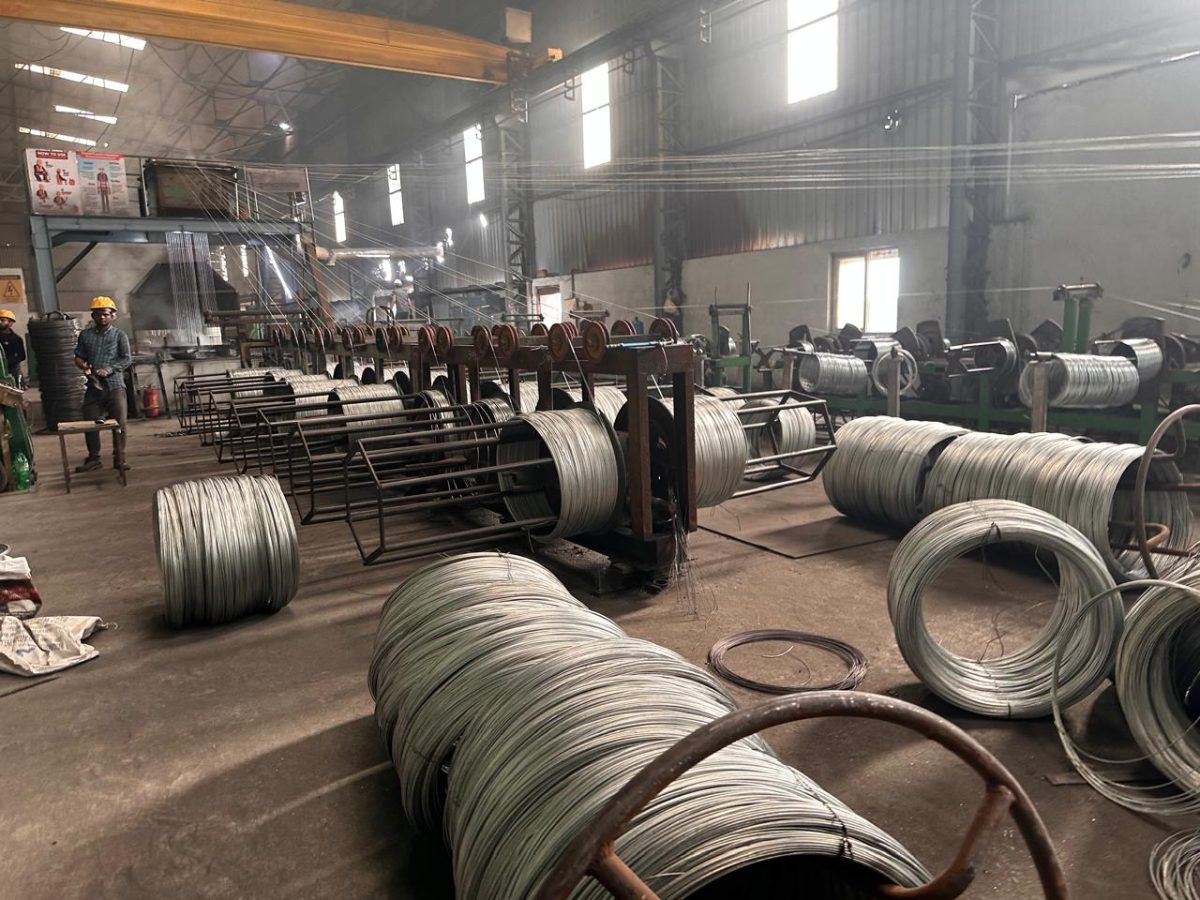
Thermal efficiency is a whole-line performance measure
In 2026, a galvanizing plant cannot improve profitability by focusing on burner efficiency alone. Energy intensity, zinc yield, coating consistency and uptime are linked. A lower bath temperature, for example, is not an efficiency gain if it creates coating defects or slows production.
A useful improvement program starts with a defined boundary and tracks fuel and electricity per tonne of saleable coated steel, alongside coating weight, zinc additions, recoverable zinc, dross, skimmings and unplanned downtime. Results should be separated by process area so the team can see whether the largest losses occur in preheating, the zinc bath, or production interruptions.
Kettle and ceramic-pot performance
Bath setpoints depend on the process. For conventional batch hot-dip galvanizing, the American Galvanizers Association (AGA) describes operation around 830–850°F, or 443–454°C. Continuous strip galvanizing operates differently, with cited industry practice commonly around 455–470°C, often near 463–465°C. A general 445–465°C range may be a useful starting discussion, but it is not a universal setpoint. Confirm temperature against the kettle or pot design, steel grade, product specification and process controls.
For reliable control:
- Trend bath temperature at multiple locations and investigate persistent gradients or unstable readings.
- Verify thermocouples against calibrated references and review sensor position, sheath condition and response.
- Keep bath additions, production stops and temperature excursions in the same operating log.
- Control temperature to metallurgical requirements, not simply to minimize fuel consumption.
Dross and surface skimmings should be weighed and recorded separately, then normalized to tonnes of coated product. They are influenced by pretreatment carryover, iron entering the bath, chemistry, operating practice and temperature. In its 2019 U.S. survey, the AGA reported aggregate dross equivalent to about 13.2% of zinc added; dross plus skimmings was about 23%. These figures are survey arithmetic, not a universal plant loss rate, and they do not account for recoverable zinc or tonnes coated.
Inspection and service-life planning
A steel kettle needs a documented wall-thickness history. Establish a baseline ultrasonic thickness map, repeat it at planned shutdowns, and set follow-up intervals according to measured corrosion rate, operating conditions, repairs and the kettle design. An annual outage review can be a practical planning interval, but it is not a substitute for engineering judgement or applicable requirements. Trend hot spots and investigate unexplained changes promptly.
A ceramic pot requires a different inspection plan. Focus on refractory or ceramic condition, joints, support, heater clearances and signs of thermal damage. In either design, extend service life through controlled heating, sound chemistry management and timely repair, while keeping operation within the equipment’s approved limits.
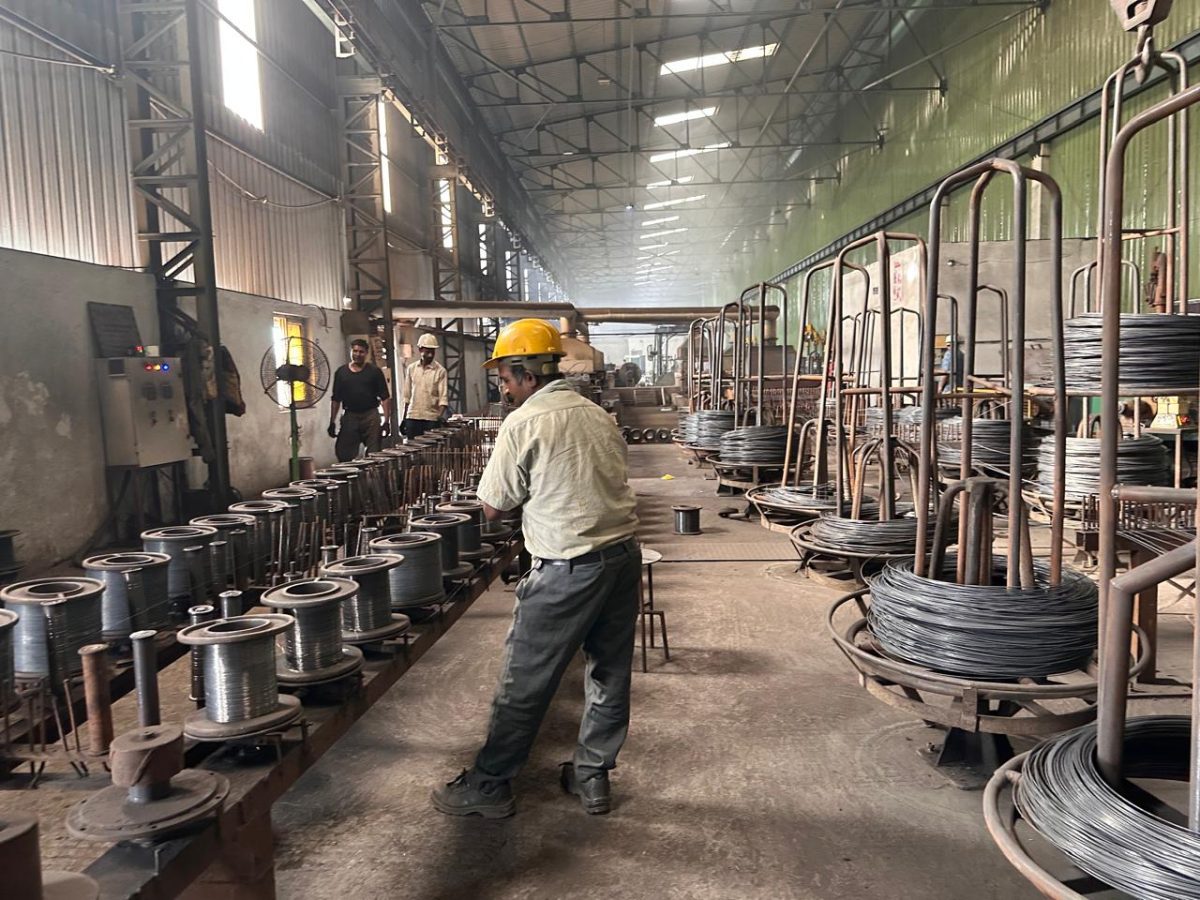
Preheat, drying and coating control
For batch operations, surface preparation is a connected process: pickling, rinsing, fluxing, drying and immersion. Poor rinsing or flux control can carry contaminants into the bath, while inadequate drying can create process and safety risks. Review the pickling plant solutions and confirm that transfer timing and process capacity suit the galvanizing line’s actual throughput.
For continuous strip lines, pretreatment, annealing and bath entry conditions must be coordinated with line speed and steel grade. Heat recovery from flue gas can support process-water heating or strip preheating. AGA describes an installation capturing approximately 80% of exhaust heat, with an example payback of about five years. These are case-specific figures, not guaranteed results. A site assessment should confirm available heat, practical demand, exchanger fouling risk and operating hours.
At the coating stage, air knives or other wiping systems control excess zinc and coating profile. The objective is to meet the applicable coating specification reliably, not to minimize coating irrespective of requirements. For example, ASTM A123/A123M specifies minimum coating thickness by product category and steel thickness; it also covers wire and fabricated products. Continuous coil products require their applicable product specification. See the AGA overview of ASTM A123/A123M.
In continuous GI baths, chemistry must be treated as a coupled control problem. A typical reference range is 0.16–0.20 wt% total aluminium and 0.015–0.03 wt% iron. Lead is generally zero in modern practice, with a cited maximum of 0.007 wt% in the referenced guidance. Confirm whether controls measure total or effective aluminium, and verify targets against the product, line and supplier requirements. Aluminium and iron interact: controlling either in isolation can shift dross formation and coating behaviour.

Compare performance using consistent metrics
| Measure | Traditional operating pattern | Optimized line practice |
|---|---|---|
| Specific energy | Fuel and electricity are reviewed only at plant level | Track GJ/t and kWh/t of saleable coated product, by process section |
| Zinc use | Zinc additions are compared without coating requirements or returns | Record zinc retained on product, additions, recoveries, dross and skimmings separately |
| Dross and skimmings | Removed material is logged without a production denominator | Weigh and report kg/t coated, with chemistry or recovery data where available |
| Uptime | Stops are discussed after the event | Trend planned and unplanned hours, stop causes, MTTR and saleable output |
| Payback | Upgrades are justified with generic savings claims | Model site-specific savings; AGA’s heat-recovery example reported about five years |
A published continuous-line heat-balance example found that slightly less than 48% of the pretreatment furnace input heated the strip, with the balance dissipated. This is a diagnostic illustration, not a universal efficiency benchmark. For zinc consumption, establish a plant baseline in kg of net zinc make-up per tonne coated, then interpret it against product area, gauge, coating specification and recovery practices. There is no meaningful universal target without those boundaries.
Maintenance, spares and 2026 technology
Planned maintenance protects both output and thermal performance. Build a critical-spares list around burner assemblies, thermocouples, refractory or ceramic components, rolls, pumps and control valves. For legacy controls, identify unavailable components, backup copies, software access and migration dependencies before a failure forces an emergency change. Compare planned outage cost with lost production, off-spec material, restart fuel and emergency procurement.
Technology priorities moving into 2026 include:
- Higher-efficiency burner systems, improved combustion control and low-NOx options selected for local compliance requirements.
- Electrification and hybrid-heating pilots, assessed against power availability, tariffs, line flexibility and emissions factors.
- IIoT bath monitoring and digital-twin tools that connect temperature, chemistry, line speed, coating results and downtime.
- Automated dross removal and material tracking, with validation of product quality and zinc recovery.
- Heat-recovery upgrades supported by measured flue-gas conditions and a dependable use for recovered heat.
For the wire and cable industry, continuous wire galvanizing depends on stable bath conditions, consistent wiping and coordinated upstream preparation. In steel processing, galvanizing capacity must also align with steel rolling mill output: mismatched throughput or repeated downstream stops can turn line energy into cost without saleable tonnage.

A four-phase optimization roadmap
- Phase 1: Assessment and planning. Map the process, establish energy and zinc mass balances, review coating results, inspect equipment condition and identify downtime causes.
- Phase 2: Quick wins. Correct burner tuning, sensor faults, insulation damage, leaks, transfer delays and avoidable line stops. Standardize bath and coating records.
- Phase 3: Upgrade. Prioritize heat recovery, controls modernization, burner or heating-system improvements and critical mechanical or ceramic upgrades using lifecycle economics.
- Phase 4: Digital and continuous improvement. Integrate IIoT data, dashboards and predictive maintenance. Review energy per tonne, zinc yield, quality and uptime at regular operating intervals.
One thermal-processing partnership across the plant
The same measurement discipline applies to heat treatment furnaces, an aluminum melting furnace, a melting furnace for steel and a metal recycling furnace. A single industrial furnace manufacturer partner can coordinate individual units and complete industrial furnace systems, covering equipment, controls, lifecycle maintenance and furnace spare parts across a broader thermal processing equipment scope. Continental Furnaces builds to ISO-certified quality standards, with a 35+ year record of prompt service that keeps downtime to a minimum. Explore our hot dip galvanizing plants and heat treatment furnaces.
With 35+ years of expertise, Continental Furnaces works with customers on customized thermal processing solutions and lifecycle support. Treat an efficiency review as a strategic step toward stronger yield, compliance readiness and sustained competitive advantage. Consult the Continental Furnaces engineering team to assess your line and build a practical improvement plan.