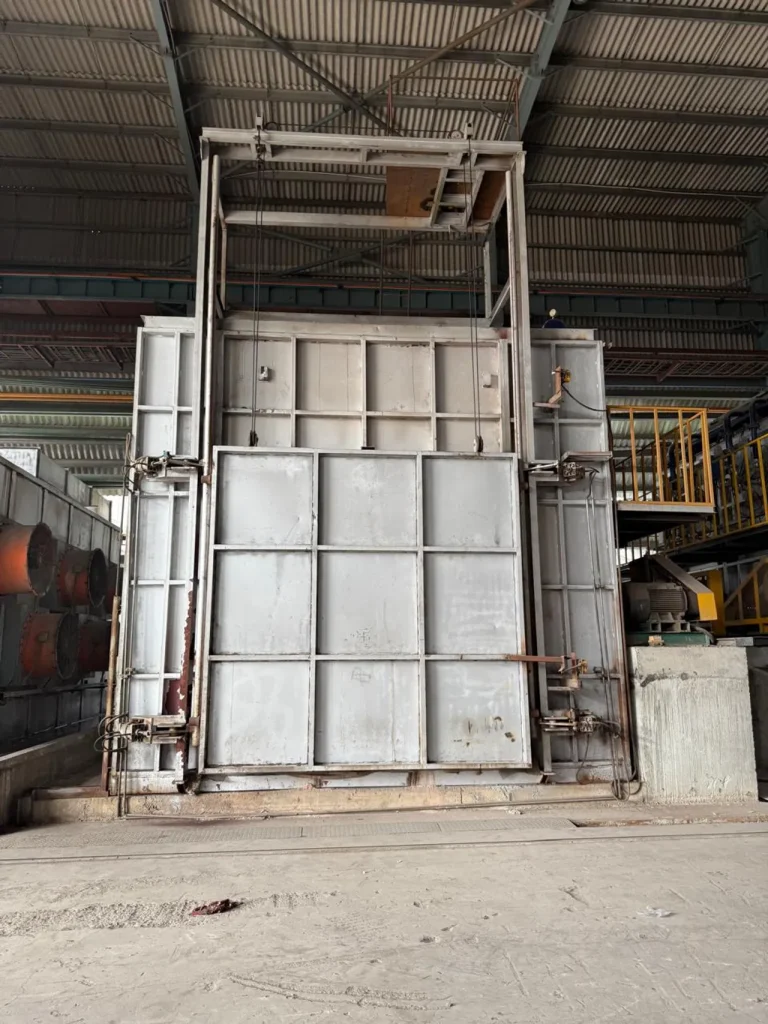
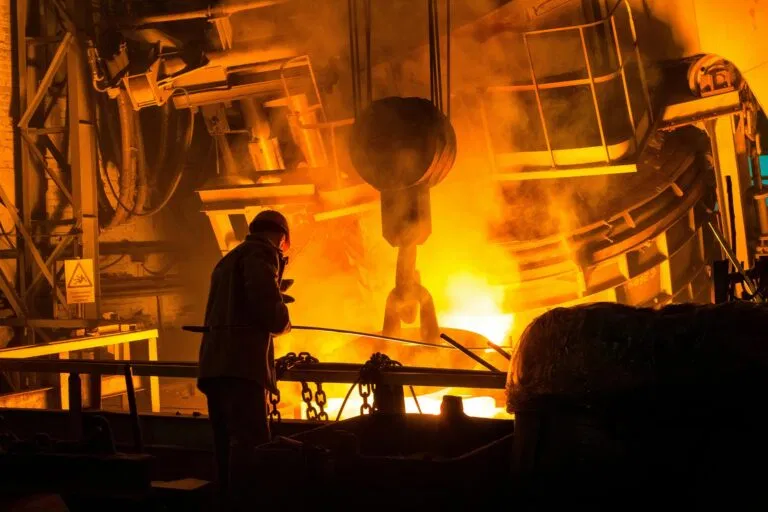
Aluminium melting economics in 2026 are defined by three measurable outcomes: tonnes melted per hour, kilograms of saleable metal recovered, and energy consumed per good tonne. For foundries, die casters and secondary aluminium processors, furnace performance directly influences profitability, carbon intensity, casting quality and downstream delivery reliability.
A modern aluminum melting furnace operating at approximately 660–760°C, with many alloys processed near 720°C, can achieve 500–650 kWh per tonne under controlled conditions. Older cold-air reverberatory systems commonly consume 800–1,100 kWh/t or more, while metal loss can rise from 1–3% in optimized operations to 5–8% where charge preparation, atmosphere control and dross handling are weak.
These are not minor operating differences. At 10 tonnes per hour, a 300 kWh/t reduction represents approximately 3,000 kWh saved every operating hour, before accounting for recovered metal value.
The 2026 performance benchmarks that matter
A furnace audit should establish a baseline using consistent charge chemistry, output temperature and production hours. The following planning benchmarks are appropriate for many industrial aluminium operations:
- Specific energy consumption:
- Modern regenerative, shaft or heat-recovery gas systems: 500–650 kWh/t
- Older reverberatory practice: 800–1,100 kWh/t or higher
- Strong induction systems: approximately 500–600 kWh/t, depending on bath size and duty cycle
- Melting rate:
- Gas reverberatory systems: 3–10 t/h
- Rotary recycling furnaces: 5–15 t/h, depending on scrap quality
- Large induction systems: approximately 4–12 t/h
- Metal loss and dross:
- Optimized charge and atmosphere control: 1–3%
- Conventional fuel-fired practice: 2–6%, with poorly controlled operations reaching 5–8%
- Operating temperature: typically 660–760°C, with approximately 720°C used as a common process target
- Combustion performance: maintain above 98% combustion efficiency through oxygen, carbon monoxide and flame monitoring
- Regenerative heat recovery: well-designed systems can recover approximately 80–90% of exhaust sensible heat, subject to furnace design, fouling and operating conditions
The theoretical energy requirement for heating and melting aluminium is considerably lower than actual plant consumption. Furnace walls, exhaust gases, openings, moisture, holding time and oxidation account for the difference. The practical objective is not merely to increase burner input; it is to transfer a greater share of that input into clean, saleable metal.
Why regenerative and heat-recovery technology changes the economics
Traditional reverberatory practice often relies on cold combustion air, long furnace residence times and manual adjustment. This creates three recurring losses:
- Exhaust loss: hot gases leave the furnace before their sensible heat is recovered.
- Surface oxidation: excessive flame impingement, turbulence and prolonged holding increase dross formation.
- Idle consumption: the furnace continues firing during delays, incomplete charging and extended holding periods.
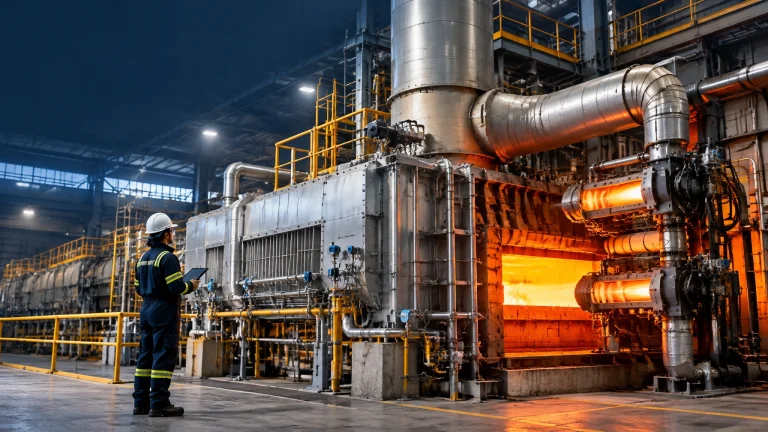
Regenerative burners reverse the first problem by storing heat from exhaust gases and using it to preheat incoming combustion air. High-efficiency burners, improved refractory insulation, controlled furnace pressure and automated oxygen trimming then reduce the remaining losses.
The result is a quantum leap in useful heat transfer:
- Faster recovery after charging
- Higher and more stable melt rates
- Lower exhaust temperature
- More uniform bath temperature
- Reduced thermal shock to refractory linings
- Improved repeatability between batches
- Lower fuel consumption per tonne of good metal
A carefully specified metal recycling furnace must also account for wet, coated, painted, mixed or contaminated scrap. Contaminated feedstock increases fume, salt slag and dross. Charge drying, sorting, preheating and controlled loading are therefore essential parts of the furnace system, not optional accessories.

Modern regenerative technology versus traditional reverberatory practice
The table below provides indicative benchmarks for investment screening. Actual results depend on alloy, charge density, furnace capacity, operating schedule, refractory condition and local fuel prices.
| Performance metric | Traditional cold-air reverberatory | Modern regenerative or high-efficiency system |
|---|---|---|
| Energy consumption | 800–1,100+ kWh/t | 500–650 kWh/t |
| Metal loss and dross | 5–8% in weakly controlled operations | 1–3% with disciplined practice |
| Typical melting rate | 3–8 t/h | 5–10 t/h for comparable medium-scale units |
| Combustion performance | Manual tuning; variable excess oxygen | >98% combustion efficiency with instrumentation |
| Labour intensity | 2–4 operators per shift depending on automation | 1–2 operators per shift with automated charging and controls |
| Exhaust heat recovery | Limited or absent | Approximately 80–90% recovery potential |
| Emissions intensity | Baseline | Approximately 25–30% lower fuel-related emissions |
| Typical retrofit or replacement payback | Not applicable | 18–36 months, subject to utilization and energy cost |
| Process control | Manual temperature and firing adjustments | PLC/SCADA control, recipes, alarms and trend analysis |
The business case strengthens when dross reduction is included. Lowering metal loss from 5% to 2% on a 10,000-tonne annual operation preserves approximately 300 tonnes of metal. That recovered yield can be more valuable than the fuel saving alone.
Downstream impact: from aluminium melting to rolling and wire production
Melting performance does not stop at the furnace tap-out point. Stable chemistry, low inclusion levels and consistent temperature protect downstream productivity.
In a steel rolling mill, reliable thermal processing supports predictable reheating, rolling and finishing schedules. In non-ferrous operations, clean aluminium feedstock supports billet, slab, rod and component quality. This is particularly important for the wire and cable industry, where inconsistent feed chemistry can increase drawing breaks, surface defects and rejection rates in rod and wire production.
The same lifecycle approach applies across:
- Heat treatment furnaces for controlled annealing, hardening and stress relieving
- A hot dip galvanizing plant requiring stable strip temperature and coating conditions
- A melting furnace for steel and non-ferrous alloy production
- Continuous and batch thermal processing equipment
- Recycling and remelting lines with variable scrap composition
- Automated furnace systems serving rolling mills and foundry operations

A phased roadmap for improving aluminium furnace efficiency
Phase 1: Assessment and planning
Begin with a 7–14 day production baseline. Record:
- Fuel or electricity consumed per tonne
- Charge weight and alloy composition
- Good metal tapped
- Dross weight and recoverable metal percentage
- Melt rate in tonnes per hour
- Bath and exhaust temperatures
- Door-open, idle and holding time
- Burner oxygen, carbon monoxide and pressure readings
A furnace operating above 700 kWh/t or losing more than 5% metal requires immediate investigation.
Phase 2: Immediate operational controls
Before replacing major equipment, address controllable losses:
- Keep aluminium charge dry and pre-sorted
- Minimize furnace door opening
- Charge rapidly without excessive drop height
- Avoid unnecessary superheat above the required tapping temperature
- Reduce holding time after melting
- Skim dross using repeatable procedures
- Calibrate thermocouples and weighing systems
- Inspect burner tiles, flame pattern and refractory hot spots
These steps can deliver a measurable improvement within weeks.
Phase 3: Engineering upgrade
Select the appropriate architecture:
- Regenerative burners for fuel-fired reverberatory furnaces
- Shaft or tower preheating for clean, dense charge
- Rotary technology for mixed or contaminated recycling feed
- Induction melting for suitable batch sizes and electricity availability
- Waste-heat recovery, automated charging and controlled exhaust systems
- PLC/SCADA integration for recipes, alarms and energy dashboards
A conversion may be more economical than a complete replacement. Furnace conversion must nevertheless include refractory assessment, burner capacity, flue sizing, combustion-air piping and safety interlocks.
Phase 4: Digital control and lifecycle support
Industry 4.0 performance requires more than a control panel. Track kWh/t, t/h, dross percentage, temperature deviation and downtime as live key performance indicators.
Maintain critical furnace spare parts (burner components, thermocouples, refractory repair materials, valves, seals, control cards and safety devices) according to a planned inventory. Prompt access to spares prevents a minor failure from becoming a multi-day production stoppage.

The Continental Furnaces partnership
Improving an aluminium melting line is a strategic decision involving yield, compliance, energy security and future production capacity. Continental Furnaces approaches each project as an enduring engineering partnership: assess the existing operation, define measurable KPIs, select the right technology and support the equipment throughout its service life.
With 35+ years of expertise, ISO-certified quality systems, energy-efficient customized solutions and prompt service, Continental Furnaces designs and supports industrial furnace systems for foundries, recyclers, steel rolling mills, galvanizing operations and the wire and cable industry.
Review your current furnace against the 2026 benchmarks. If your operation exceeds 650 kWh/t, loses more than 3% metal, or cannot maintain a stable melt rate, contact Continental Furnaces for a technical consultation. Use the company’s consulting services, recycling plant setup capability and furnace conversion expertise to turn measurable furnace improvements into sustained competitive advantage.