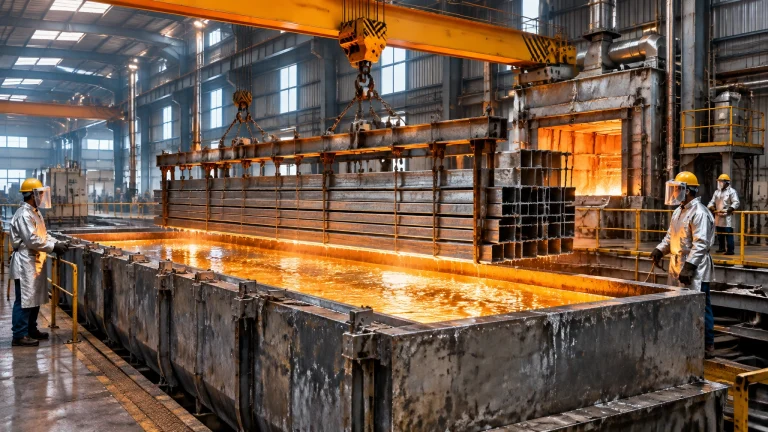
In the high-stakes landscape of 2026 industrial manufacturing, the "status quo" is no longer a viable business strategy. Steel producers are facing a dual-pressure environment: the demand for higher throughput: specifically the 120 Tons Per Hour (TPH) benchmark: and the urgent necessity to reduce carbon footprints and energy expenditure. Achieving these targets requires more than just incremental changes; it demands a total optimization of the thermal processing ecosystem.
As a leading industrial furnace manufacturer, Continental Furnaces has spent over 35 years engineering the solutions that bridge the gap between massive yields and sustainable operations. This technical deep-dive reveals the strategic roadmap to achieving a 120 TPH output while significantly slashing your energy budget through advanced steel rolling mill technology.
The 120 TPH Challenge: Why Efficiency is the New Yield
For a modern mill, 120 TPH represents a critical threshold for profitability. At this scale, even a 1% inefficiency in fuel consumption or a 2% increase in scale loss can translate into millions of dollars in lost annual revenue. The secret to mastering this volume lies in the reheating furnace, the heart of the rolling process.
Phase 1: Reheating Furnace Optimization
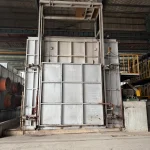
The transition from traditional pusher-type furnaces to modern walking-beam furnaces is the single most impactful move a facility can make. Walking-beam designs allow for uniform heating of billets from all sides, reducing the "cold spot" issues common in older systems.
- Thermal Efficiency Targets: Aim for >60–65% thermal efficiency. Traditional designs often languish at 35-45%.
- Temperature Uniformity: Achieving a variation of ≤20°C across the billet ensures consistent mechanical properties during rolling, reducing mill loads and energy spikes.
- Specific Energy Consumption (SEC): State-of-the-art billet reheating furnaces can achieve an SEC as low as 1.0–1.1 GJ/t.

Phase 2: The 2026 Energy Reduction Roadmap
To slash your energy budget in 2026, you must look beyond the furnace walls and integrate the entire thermal chain. Continental Furnaces recommends a three-pronged approach to energy mitigation.
1. Hot Charging and Direct Rolling
Locating your reheating furnace in close proximity to continuous casting allows for Hot Charging. By charging billets at temperatures of 600°C to 900°C instead of ambient temperature, you can reduce gas consumption by up to 10% for every 100°C increase in charging temperature. This process also improves productivity by approximately 6%, as the furnace dwell time is drastically reduced.
2. Regenerative Burner Technology
Modern melting furnaces for steel and reheating systems now utilize regenerative or recuperative burners. These systems capture waste heat from flue gases to preheat combustion air up to 1000°C.
- Fuel Savings: This technology can reduce fuel consumption by 15–30%.
- Emissions: Advanced low-NOx burners ensure compliance with 2026 environmental regulations, achieving NOx levels below 75 ppm.
3. High-Performance Refractories
Heat loss through the furnace skin is "leaking profit." Utilizing reinforced insulation and high-grade refractories minimizes surface temperatures and keeps the energy where it belongs: inside the metal.
Comparative Tech Analysis: Traditional vs. 2026 Standards
| Metric | Traditional Rolling Mill | 2026 Optimized Mill (120 TPH) | Competitive Advantage |
|---|---|---|---|
| Furnace Type | Pusher-Type | Walking-Beam / Induction | Higher Quality, Lower Loss |
| Fuel Consumption | 2.5 – 3.5 GJ/t | 1.0 – 2.0 GJ/t | ~40% Cost Reduction |
| Electricity Use | Standard Motors | High-Efficiency + VFDs | 25% Power Savings |
| Scale Loss | 1.5% – 2.0% | <0.8% | Improved Material Yield |
| Automation | Manual/Basic PLC | AI-Driven Industry 4.0 | Zero-Downtime Prediction |
Phase 3: Digital Transformation & Industry 4.0
The "secrets" of a 120 TPH mill are often hidden in the data. In 2026, industrial furnace systems are no longer "dumb" hardware; they are sophisticated, data-generating assets.
AI-Driven Temperature Control: Continental Furnaces integrates SCADA-based systems that use real-time sensors to adjust fuel-to-air ratios and zone temperatures dynamically. This prevents overheating (which wastes fuel and increases scale) and underheating (which risks equipment damage in the rolling stands).
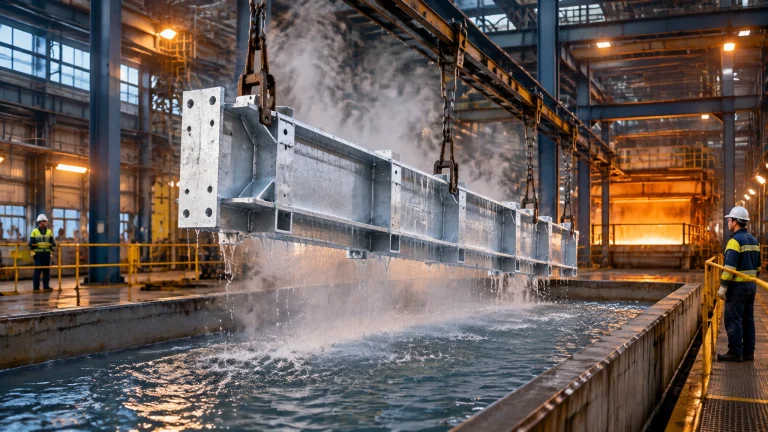
Real-Time Energy Monitoring: By installing smart meters across the rolling line: from the hot dip galvanizing plant to the final cooling beds: operators can detect energy "leakage" in real-time, allowing for immediate corrective action.

Phase 4: Maintenance and the Criticality of Spare Parts
A 120 TPH mill is a high-velocity operation where even an hour of downtime can cost upwards of $50,000 in lost production. This is where the quality of your furnace spare parts becomes your greatest insurance policy.
- Precision-Engineered Components: Using OEM-spec burners, recuperators, and sensors ensures that the furnace continues to operate at its peak efficiency curve.
- Predictive Maintenance: Moving from reactive to predictive maintenance: supported by the prompt service Continental Furnaces is known for: guarantees that your mill remains operational through peak demand cycles.
Beyond Steel: Sustainability and The Circular Economy
The principles of 120 TPH efficiency in steel are equally applicable to other sectors. For instance, in the Wire and cable industry, high-speed heat treatment furnaces are essential for maintaining the metallurgical integrity of the product while keeping energy costs low.
Furthermore, the rise of the Circular Economy has made metal recycling furnaces and aluminum melting furnaces a cornerstone of sustainable manufacturing. Modern recycling plants are now achieving high-yield throughput with 20% lower gas consumption than they did just five years ago.

Strategic Roadmap for Sustained Competitive Advantage
To achieve the 120 TPH milestone while slashing your 2026 energy budget, Continental Furnaces recommends following this strategic sequence:
- Phase 1: Assessment: Conduct a thermal audit of your current reheating and heat treatment stages to identify energy leaks and throughput bottlenecks.
- Phase 2: Modernization: Upgrade to walking-beam technology and integrate regenerative burners.
- Phase 3: Digital Integration: Implement Industry 4.0 monitoring for real-time optimization of combustion and temperature profiles.
- Phase 4: Lifecycle Support: Establish a robust maintenance schedule using high-quality furnace spare parts to ensure long-term ROI.
Your Strategic Partner in Thermal Solutions
Achieving 120 TPH is not just about having a bigger mill; it is about having a smarter, more efficient thermal processing equipment strategy. At Continental Furnaces, we don’t just manufacture equipment: we engineer enduring partnerships. Our ISO-certified solutions are designed to deliver a quantum leap in efficiency, ensuring your facility remains at the forefront of the global steel industry.
Ready to transform your rolling mill's efficiency?
Contact Continental Furnaces today for a direct consultation with our engineering experts and take the first step toward a high-yield, low-energy future.