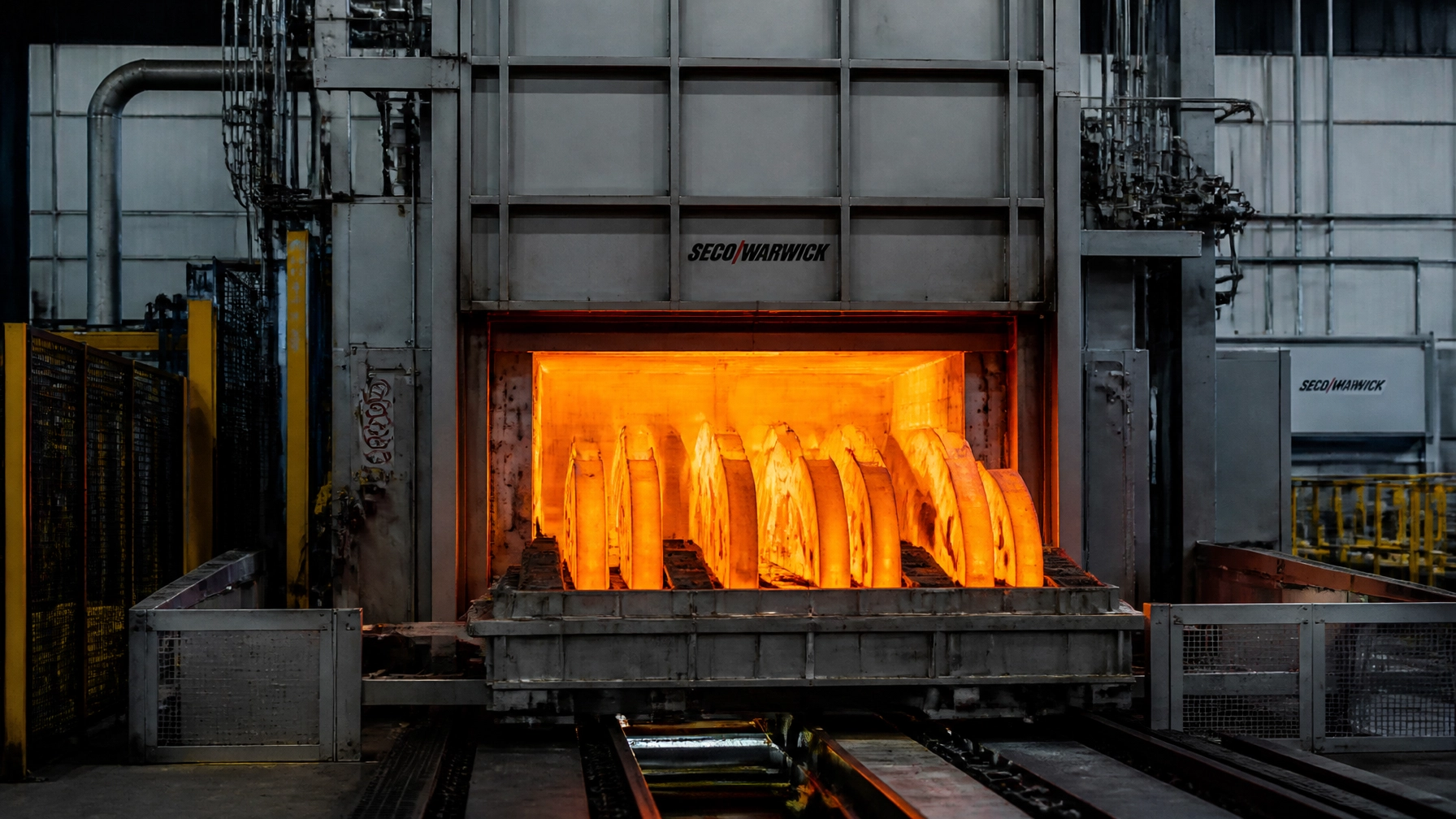
In the high-stakes arena of global manufacturing, the thermal processing stage is often where profitability is either forged or incinerated. As a premier industrial furnace manufacturer with over 35 years of technical tenure, Continental Furnaces has observed that even the most sophisticated facilities often succumb to subtle "efficiency drains." These inefficiencies do not merely increase utility bills; they compromise metallurgical integrity, accelerate equipment fatigue, and erode your competitive edge.
Optimizing heat treatment furnaces is not a one-time repair but a strategic commitment to engineering excellence. Whether you are operating a steel rolling mill, an aluminum melting furnace, or a complex hot dip galvanizing plant, understanding the granular technical failures in your thermal cycle is the first step toward a quantum leap in operational yield.
1. Chronic Air Infiltration and Seal Degradation
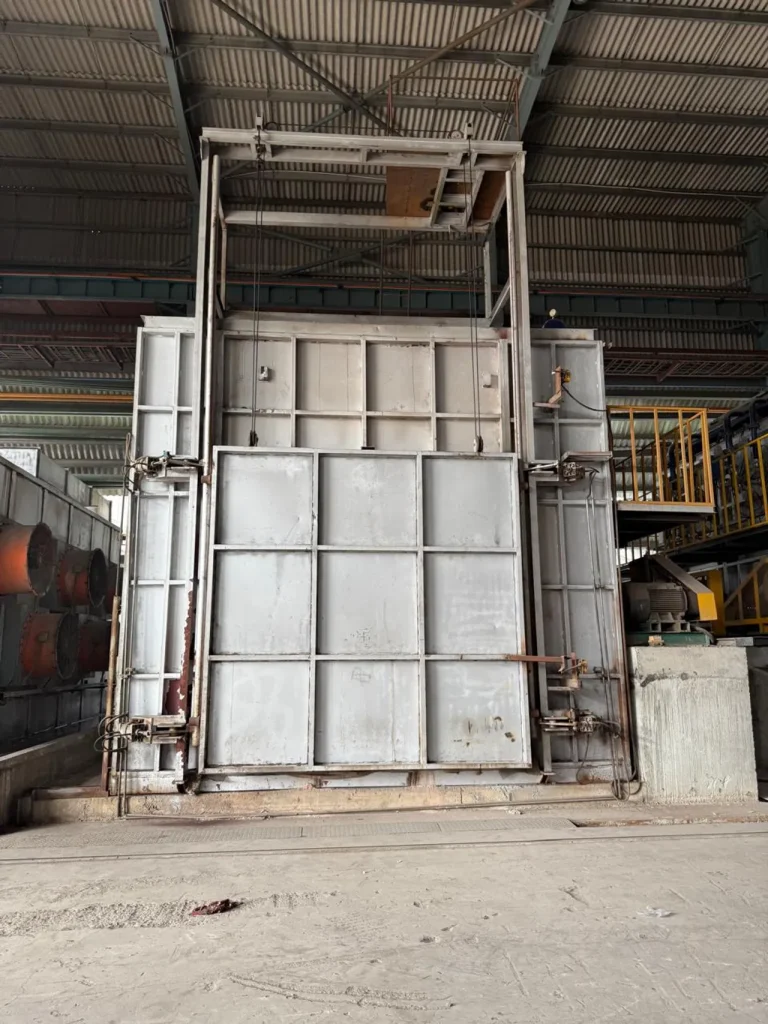
The most prevalent yet overlooked efficiency leak in industrial furnace systems is air infiltration. When door gaskets perish or viewports lose their seal, cold ambient air is drawn into the heating chamber. This forces the combustion system to work significantly harder to maintain the setpoint, leading to a direct spike in fuel consumption.
- The Impact: A mere 10% increase in excess air can lead to a 5% to 8% drop in thermal efficiency.
- The Technical Fix: Implement a rigorous monthly inspection of all pneumatic seals and fiber-module interfaces. For high-cycle operations, such as those in the Wire and cable industry, upgrading to automated, high-compression door clamping systems can virtually eliminate "tramp air" ingress.
2. Refractory Fatigue and Heat Sink Losses
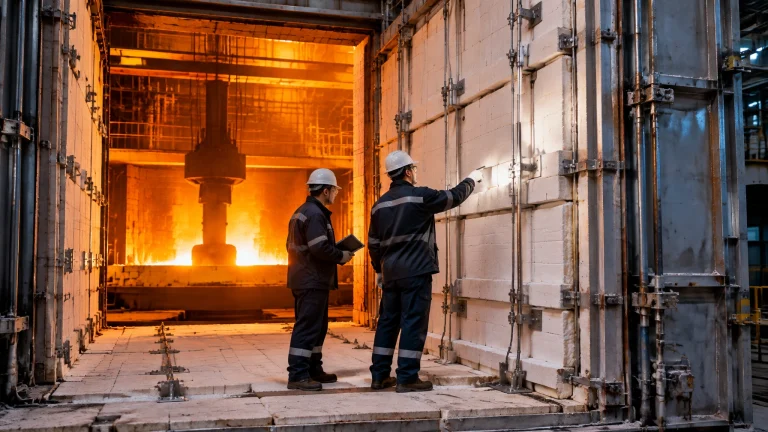
Refractory linings are the thermal fortress of your equipment. Over time, thermal cycling causes shrinkage, spalling, and cracking. When the "hot face" of your insulation is compromised, the outer shell temperature rises, turning your furnace into a giant radiator that heats the factory floor instead of the product.

- KPI Benchmark: The shell temperature of a well-insulated furnace should generally not exceed 60°C to 80°C above ambient. If your casing is exceeding 120°C, you are losing thousands of dollars in radiant heat every month.
- The Roadmap: Transition from traditional firebricks to high-purity ceramic fiber modules or microporous insulation. These materials offer lower thermal mass, enabling faster ramp-up times and significant energy savings during intermittent operations.
3. Sub-Optimal Burner Calibration and Combustion Ratios
In a melting furnace for steel or a metal recycling furnace, the stoichiometry of the flame is paramount. Many operators set their burners once and leave them for years. However, changes in gas pressure, air humidity, and burner wear can shift the air-to-fuel ratio away from the "sweet spot" of perfect combustion.
- The Mistake: Running "rich" (excess fuel) leads to carbon soot buildup on furnace spare parts and heating elements, while running "lean" (excess air) wastes energy heating nitrogen that simply exits the stack.
- The Strategy: Utilize portable flue gas analyzers to monitor CO, CO2, and O2 levels quarterly. Integrating a Mass Flow Control (MFC) system ensures that the combustion ratio remains precise across the entire firing range.
4. Blocked Circulation and Improper Loading Patterns
Efficiency is not just about generating heat; it is about transferring that heat to the workload uniformly. In continuous systems, such as those used in a steel rolling mill, packing parts too densely creates "thermal shadows."

- The Technical Failure: When airflow is restricted, the outer parts of a batch reach temperature quickly while the core remains cold. Operators then extend the "soak time" to compensate, effectively over-processing 80% of the load to satisfy the remaining 20%.
- The Fix: Redesign loading fixtures to maximize "view factors" for radiant heat and clear pathways for convective fans. Standardized loading templates ensure repeatable, high-velocity gas circulation around every component.
5. Reliance on Over-Conservative "Legacy" Recipes
Many industrial facilities operate on thermal recipes that were established decades ago. These "safe" margins: holding a load for two hours longer than necessary or at 20°C higher than required: are relics of an era with less precise instrumentation.
- Yield Loss: Running a cycle just 10% longer than required increases energy consumption by nearly the same margin and reduces the annual throughput of your thermal processing equipment.
- The Solution: Conduct a Thermal Uniformity Survey (TUS) and System Accuracy Test (SAT) to validate the precision of your sensors. With modern data, you can confidently tighten your process windows, reducing cycle times by 15% or more without risking metallurgical failure.
6. Reactive Maintenance of Critical Furnace Spare Parts
Waiting for a heating element to snap or a fan motor to seize is the most expensive way to manage a facility. Unplanned downtime in a zinc melting furnace or a galvanizing line can lead to catastrophic "freeze-ups" of molten metal.

- The Strategic Shift: Move toward a Predictive Maintenance model. Monitor the "Amperage Draw" of heating elements; a gradual decline often signals impending failure.
- Essential Inventory: Maintain a strategic stock of high-wear furnace spare parts, including thermocouples, radiant tubes, and specialized filters, to ensure that a $500 part doesn't cause a $50,000 production delay.
7. The "Data Blindness" of Manual Controls
If your furnace relies solely on manual gauges and paper logs, you are operating in the dark. Modern industrial furnace systems must be treated as data-generating assets. Without real-time visibility into energy-per-ton metrics, it is impossible to identify where losses are occurring.

- Industry 4.0 Integration: Modern PLCs and SCADA systems can track gas flow, electricity usage, and temperature gradients in real-time.
- Benefit: Digital twin technology and cloud-based monitoring allow management to compare the performance of different shifts and identify "best practices" that can be scaled across the entire plant.
The Comparative Advantage: Traditional vs. Modern Technology
The transition to high-efficiency thermal processing is not merely a cost; it is an investment with a rapid ROI. The table below illustrates the typical performance delta between legacy systems and modern Continental Furnaces solutions.
| Metric | Traditional Legacy Furnace | Modern High-Efficiency System | Competitive Advantage |
|---|---|---|---|
| Fuel/Energy Waste | 25% – 40% | < 12% | Lower OPEX |
| Temperature Uniformity | ± 15°C | ± 3°C to ± 5°C | Higher Quality Yield |
| Startup Time | 4 – 6 Hours | 1.5 – 2 Hours | Increased Agility |
| Insulation Lifespan | 2 – 3 Years | 5 – 8 Years | Reduced Maintenance |
| Data Integration | Manual / None | Full SCADA / IoT | Strategic Visibility |
Strategic Roadmap: Achieving Sustained Competitive Advantage
Transforming your thermal department requires a phased approach. At Continental Furnaces, we partner with our clients through every stage of this evolution:
- Phase 1: Thermal Audit & Baseline Assessment – We perform a deep-dive analysis of your current energy consumption, shell losses, and cycle times to identify the "low-hanging fruit."
- Phase 2: Targeted Retrofitting – Implementing high-velocity burners, modern refractory linings, and specialized wire industry solutions.
- Phase 3: Automation & Optimization – Deploying precision control logic and automated loading systems to eliminate human error and maximize throughput.
- Phase 4: Lifecycle Partnership – Ongoing training, predictive spare parts management, and periodic recalibration to ensure efficiency does not drift over time.
Conclusion: Forging the Future of Thermal Excellence
Efficiency in industrial heating is not an optional luxury: it is the foundation of modern manufacturing survival. By correcting these seven common mistakes, you can significantly reduce your carbon footprint, slash operating costs, and improve the metallurgical consistency of your products.
As a global leader and industrial furnace manufacturer, Continental Furnaces provides the engineering expertise and high-performance hardware required to navigate these complexities. Whether you are looking to commission a new melting furnace for steel or optimize an existing hot dip galvanizing plant, our team is ready to deliver a customized roadmap for your success.
Ready to reclaim your lost efficiency? Consult with our thermal engineering experts today and transform your furnace operations into a high-yield, sustainable profit center.