As we navigate the third quarter of 2026, the global thermal processing landscape is undergoing a radical transformation. For B2B decision-makers in the steel, automotive, and aerospace sectors, the transition from legacy systems to Industry 4.0-compliant thermal processing equipment is no longer a strategic option: it is a survival imperative.
At Continental Furnaces, with over 35 years of engineering excellence, we are witnessing a "quantum leap" in how heat is generated, managed, and recovered. This morning edition explores the pivotal shift toward hydrogen-readiness, the integration of digital twins for predictive maintenance of furnace spare parts, and the sophisticated evolution of the circular economy within metal recycling.
The Decarbonization Roadmap: Hydrogen-Ready Furnace Technology
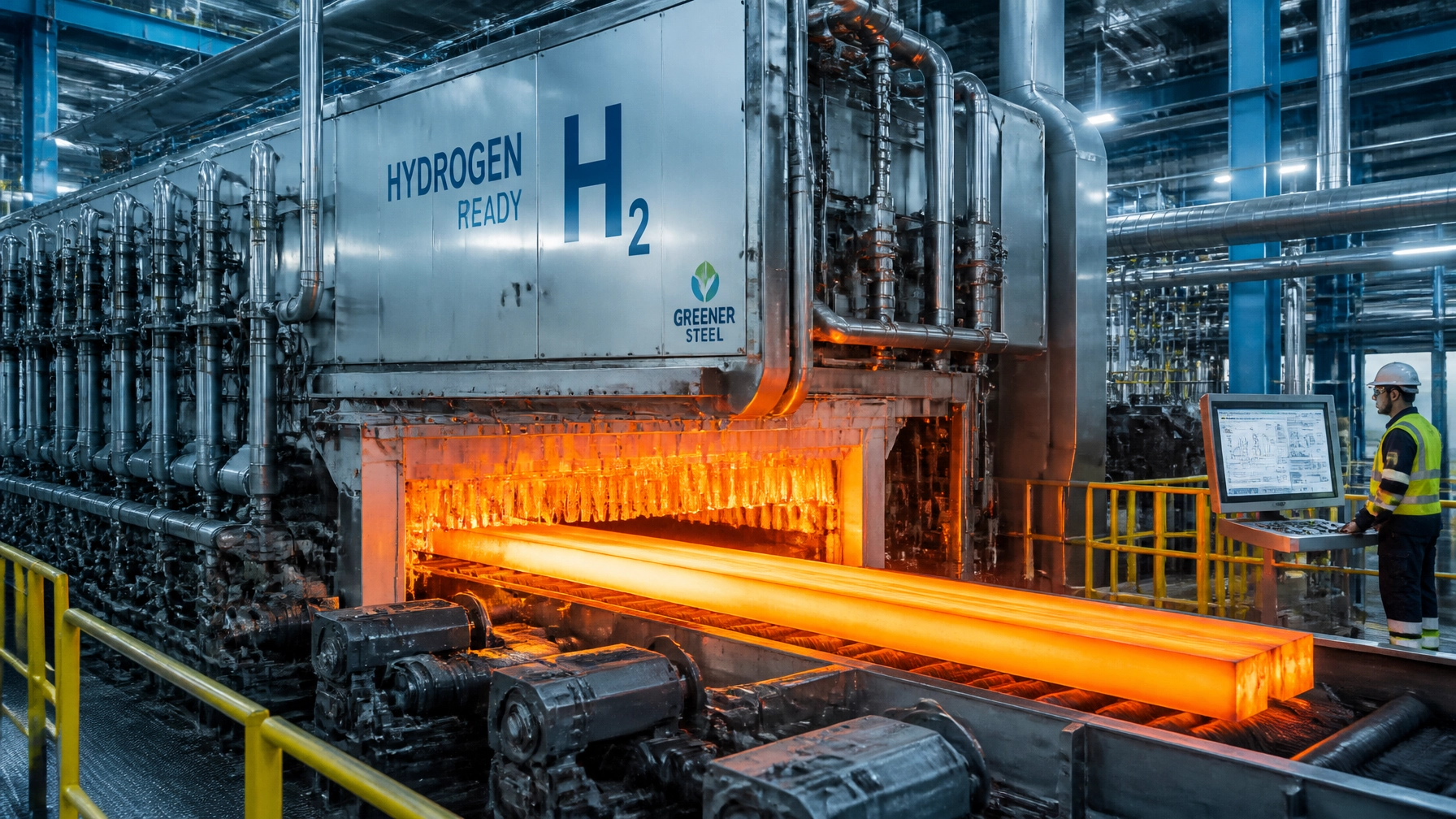
The year 2026 marks the tipping point for hydrogen integration in heavy industry. Our latest billet reheating furnace designs are now being deployed with "dual-fuel readiness," allowing manufacturers to bridge the gap between natural gas and 100% green hydrogen combustion.
Hydrogen-ready technology is the cornerstone of the modern steel rolling mill. By utilizing hybrid burner systems, facilities can achieve up to 100% hydrogen substitution without total hardware overhauls. These systems feature advanced safety interlocks and NOx-control algorithms designed to handle hydrogen's higher flame velocity and unique thermal profile.
Key Performance Benchmarks for Hydrogen Transition:
- Thermal Efficiency Gains: Direct hydrogen combustion has shown a 5–8% increase in thermal efficiency compared to traditional methane-based systems.
- Retrofit Capability: Modern industrial furnace systems can be retrofitted with hybrid burners, reducing initial CAPEX by 40% compared to new installations.
- Carbon Reduction: A transition to a 30% hydrogen blend results in an immediate 11% reduction in Scope 1 emissions.

Digital Twin Simulations: The Future of Thermal Processing Equipment
The deployment of digital twin simulations has revolutionized the commissioning and operation of heat treatment furnaces. By creating a high-fidelity virtual replica of a bogie hearth furnace or a continuous annealing line, we can predict metallurgical outcomes with 99.4% accuracy before the first burner is ignited.
This digital framework extends into the lifecycle of furnace spare parts. Rather than relying on rigid, time-based maintenance schedules, our AI-driven systems monitor real-time thermal stresses on components like burners, fans, and refractory linings.
The Impact of Predictive Maintenance on ROI:
- Phase 1: Anomaly Detection: Sensors identify sub-millimeter deformations in rollers or cooling fans.
- Phase 2: RUL Estimation: The system calculates the Remaining Useful Life (RUL) based on actual throughput and temperature cycling.
- Phase 3: Automated Procurement: Essential furnace spare parts are ordered precisely when needed, reducing inventory carrying costs by up to 25%.

The Circular Economy: Scaling Metal Recycling Efficiency
The demand for secondary metals is at an all-time high, driven by sustainability mandates in the wire and cable industry and automotive manufacturing. Our specialized metal recycling furnace solutions, including tilting rotary designs, are engineered to maximize yield from diverse scrap grades.
In the realm of non-ferrous metals, the industrial aluminum melting furnace has evolved to include automated dross processing and regenerative burners. These advancements ensure that the melting furnace for steel and aluminum projects maintain a thermal efficiency rating exceeding 70%, drastically reducing the energy-per-tonne metric.
| Technology Feature | Traditional Melting Systems (Pre-2020) | Continental Modern Solutions (2026) | Competitive Advantage |
|---|---|---|---|
| Fuel Consumption | 85-110 Nm³/tonne | 55-65 Nm³/tonne | ~40% Fuel Savings |
| Metal Recovery Rate | 92% | 97.5% – 98.2% | Higher Yield/ROI |
| Downtime (Annual) | 15-20 Days | 4-6 Days (Predictive) | Maximum Throughput |
| Control System | Manual/PLC Basic | AI-Driven Digital Twin | Precision Metallurgy |

Advanced Coatings: The Hot Dip Galvanizing Evolution
For industries requiring superior corrosion protection, our hot dip galvanizing plant designs now incorporate high-velocity pulse firing systems. This technology ensures uniform kettle heating, extending the lifespan of the kettle and reducing zinc consumption. When combined with our integrated pickling plants, the result is a seamless, high-efficiency production line that meets the stringent quality standards of the defense and construction sectors.
Strategic Guidance: Implementing a Thermal Infrastructure Upgrade
For facilities looking to modernize, we recommend a phased approach to ensure zero production disruption:
- Assessment (Month 1): Comprehensive energy audit and thermal profiling of existing industrial furnace systems.
- Digital Integration (Months 2-3): Implementation of IoT sensor arrays and creation of the Digital Twin environment.
- Hardware Retrofit (Month 4+): Gradual installation of hydrogen-ready burners and spare accessories during scheduled maintenance windows.

Conclusion: Partnering for a Sustainable Industrial Future
The industrial landscape of 2026 demands more than just equipment; it requires a strategic partnership rooted in technical wisdom and forward-thinking engineering. Whether you are scaling an aluminum melting furnace operation or optimizing a complex steel rolling mill, Continental Furnaces provides the state-of-the-art solutions necessary for a sustained competitive advantage.
As a leading industrial furnace manufacturer, our commitment is to provide customized, energy-efficient, and future-proof systems that maximize your operational profitability while adhering to global environmental standards.
Is your facility ready for the hydrogen transition?