As we navigate the third quarter of 2026, the global manufacturing landscape is undergoing a profound metamorphosis. For the industrial furnace manufacturer, the mandate has shifted from merely providing equipment to delivering integrated, intelligent thermal ecosystems. The convergence of Industry 4.0, aggressive decarbonization targets, and the necessity for extreme operational resilience has redefined the standard for high-performance thermal processing equipment.
At Continental Furnaces, our three-and-a-half decades of expertise have taught us that a furnace is not just a heat source: it is the heartbeat of the production line. Whether you are operating a high-capacity steel rolling mill or a precision-driven Wire and cable industry facility, the efficiency of your thermal assets dictates your bottom line. This Afternoon Edition of our Industrial Insights deep-dives into the strategic maintenance paradigms and technical innovations that are defining 2026.
The Maintenance Paradigm: Transitioning to Predictive Intelligence
In 2026, "unplanned downtime" is an obsolete term for the industry’s elite. Traditional reactive and even scheduled preventive maintenance are being superseded by Predictive Intelligence (PI). By leveraging dense sensor networks and digital twins, manufacturers can now anticipate component fatigue before it manifests as a failure.
Strategic Maintenance Pillars for 2026
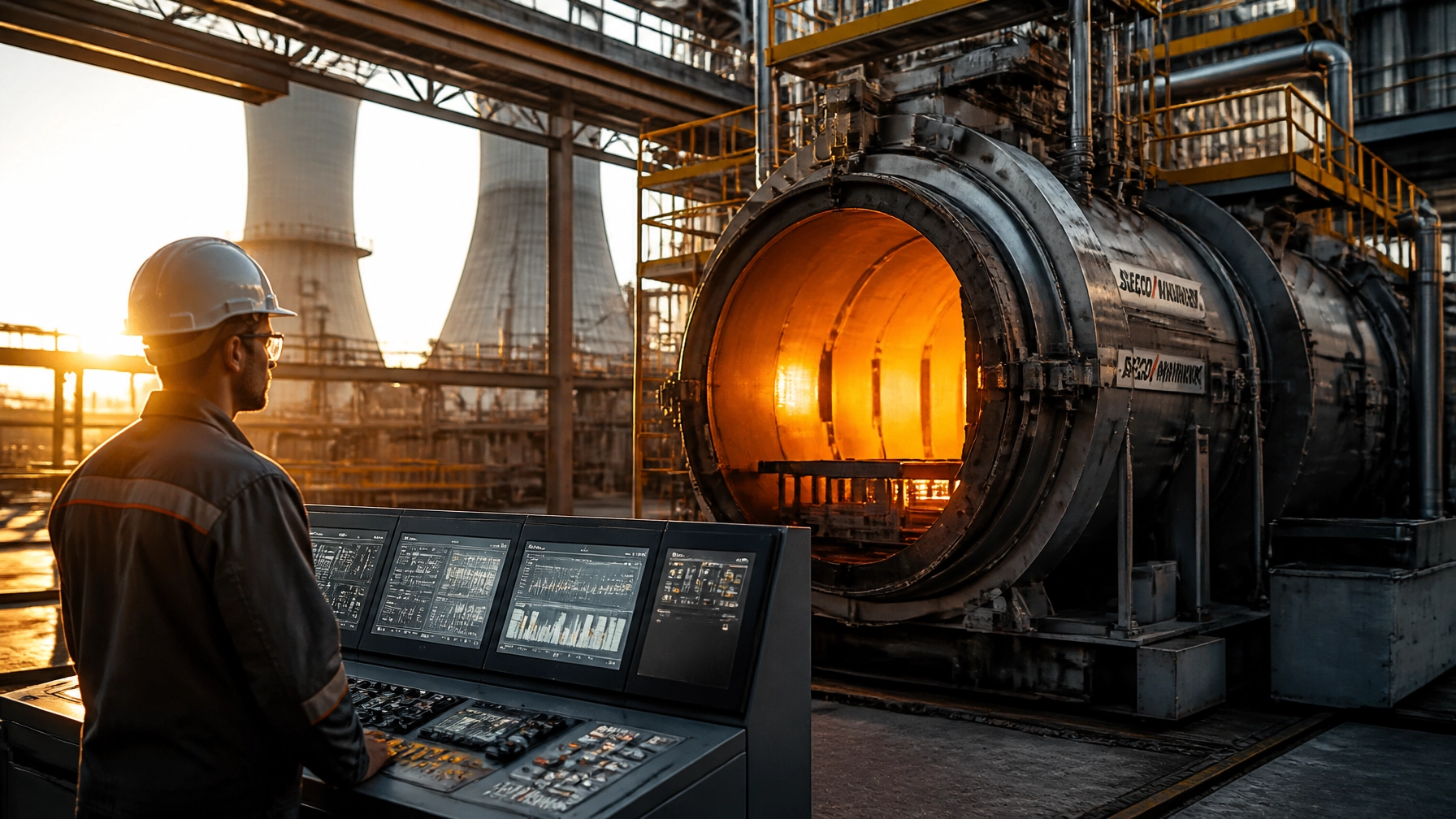
- Real-Time Refractory Health Monitoring: Modern heat treatment furnaces are now equipped with acoustic emission sensors and thermal imaging to detect thin spots or cracks in the lining. This allows for scheduled re-lining during natural production lulls, preventing catastrophic heat loss or shell damage.
- Burner Optimization & Precision Combustion: AI-driven controllers now monitor flue gas composition and flame geometry in real-time. By dynamically adjusting air-to-fuel ratios, these systems maintain peak efficiency, often reducing fuel consumption by 12–18% compared to legacy manual settings.
- Inventory Strategic Reserves: The global supply chain remains volatile. Maintaining a critical stock of furnace spare parts: specifically high-temperature alloy radiant tubes, specialized thermocouples, and PLC modules: is no longer optional; it is a strategic necessity for business continuity.

Technological Frontier: The 2026 Roadmap for Industrial Furnace Systems
The technological trajectory for 2026 is focused on three key areas: Electrification, Hydrogen Readiness, and AI-Enhanced Processing. As a leading industrial furnace manufacturer, Continental Furnaces is at the vanguard of these "quantum leaps."
1. Electrification and Hybrid Systems
With the increasing availability of green energy and the implementation of carbon taxes, the aluminum melting furnace and other non-ferrous melting units are seeing a massive shift toward full electrification. Hybrid systems: which can switch between natural gas and electricity based on grid pricing and carbon limits: provide the ultimate hedge against energy market volatility.
2. The Hydrogen-Ready Steel Rolling Mill
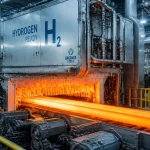
The steel rolling mill sector is under intense pressure to reduce its carbon footprint. 2026 marks the widespread adoption of "hydrogen-ready" burners. These systems are engineered to handle a blend of natural gas and hydrogen, or even 100% hydrogen, ensuring that today's capital investment remains relevant for the next 20 years of environmental regulation.
3. Advanced Metal Recovery
The metal recycling furnace sector is seeing a resurgence in technological investment. Our latest melting furnace for steel and non-ferrous variants now incorporate automated sorting and pre-heating stages that utilize waste heat from the primary furnace, creating a closed-loop thermal cycle that maximizes yield while minimizing energy input.
Industry Spotlight: Wire, Cable, and Surface Treatment
The Wire and cable industry faces unique challenges in 2026, particularly regarding consistency and surface quality. Advanced Annealing Furnaces are now moving toward continuous, multi-strand processing with protective atmospheres to ensure "bright" finishes without the need for post-process pickling.
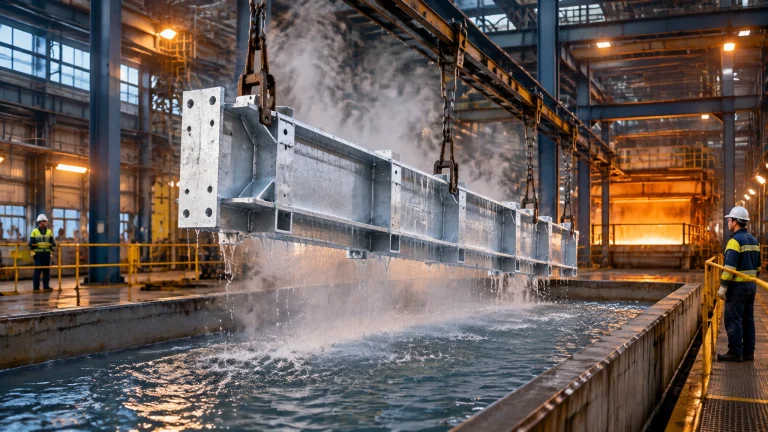
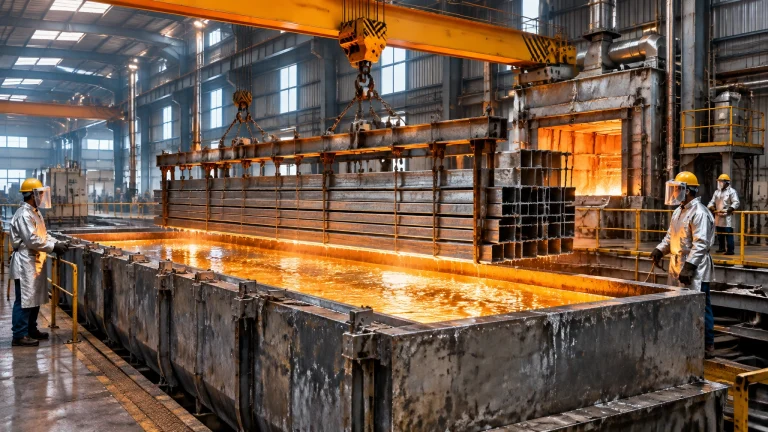
Furthermore, the Hot Dip Galvanizing Plant has evolved. Modern plants now integrate Pickling Plants with automated chemistry management systems. These systems monitor acid concentrations and temperature in real-time, ensuring a perfect substrate for zinc adhesion, which significantly reduces "dross" formation and zinc consumption.

Comparative Performance Analysis: 2026 Standards vs. Legacy Technology
To understand the ROI of modernizing your industrial furnace systems, consider the following data-driven benchmarks derived from recent Continental Furnaces installations.
| Metric | Legacy Technology (Pre-2020) | 2026 Continental Systems | Competitive Advantage |
|---|---|---|---|
| Fuel Efficiency | 55% – 65% | 82% – 94% | ~30% Fuel Saving |
| Temperature Uniformity | ± 15°C | ± 3°C | Superior Metallurgy |
| Start-up Time | 6 – 8 Hours | 1.5 – 2 Hours | Increased Agility |
| Maintenance Interval | 3,000 Hours (Scheduled) | 12,000+ Hours (Condition-based) | Minimal Downtime |
| Automation Level | Manual / Semi-Auto | Full Industry 4.0 / AI-Integrated | Reduced Labor Costs |
Strategic Implementation Roadmap: Modernizing Your Thermal Assets
For organizations seeking a sustained competitive advantage, upgrading thermal processing equipment is not a single event but a phased strategic journey.
Phase 1: Technical Assessment and Data Baseline
Conduct a comprehensive audit of your current fleet. Measure energy intensity per ton of output and identify high-loss areas (e.g., outdated insulation or inefficient burners). At Continental Furnaces, we provide specialized consulting to establish these baselines.
Phase 2: Targeted Modernization
You do not always need to replace the entire furnace. Focus on "low-hanging fruit" by upgrading to high-velocity burners, installing a multi-zone PLC control system, and ensuring a robust supply of high-quality furnace spare parts. This can often yield a 15–20% efficiency gain with minimal capital outlay.
Phase 3: Transition to Sustainable Infrastructure
For new installations, prioritize hydrogen-ready or hybrid electric designs. Integrate the furnace controls into your factory's Manufacturing Execution System (MES) to allow for real-time production synchronization, particularly vital in a complex steel rolling mill environment.

Conclusion: Engineering an Enduring Partnership
The industrial world of 2026 rewards those who treat thermal processing as a precision science rather than a brute-force utility. Whether you are looking for a state-of-the-art metal recycling furnace, a high-efficiency Melting Furnace, or an expert consultant to refurbish your existing assets, the path to profitability leads through technological excellence.
Continental Furnaces stands as your seasoned authority in this landscape. Our ISO-certified quality and 35+ years of tenure ensure that every solution we deliver: from the smallest Spare Part to the most complex integrated plant: is engineered for maximum yield and minimum environmental impact.

Take the strategic step toward thermal excellence. Contact our engineering team today for a comprehensive evaluation of your facility’s requirements. Let us help you transform your thermal processing operations into a profit-driving engine for the next decade and beyond.