All figures in this article are indicative benchmarks drawn from published surveys, plant reports, regulatory texts and supplier references. Actual performance varies with plant design, feed composition, alloy, line type, throughput and local regulation. Validate operating limits and permit conditions against your own process and jurisdiction.
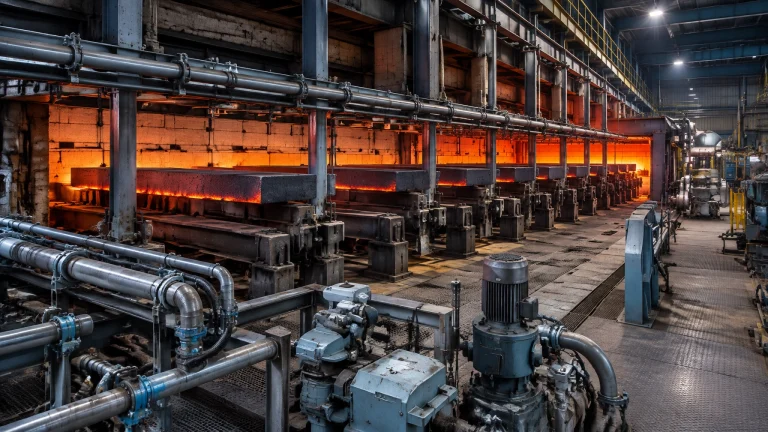
Secondary zinc remelting is a furnace-engineering challenge: recover usable zinc from galvanizing dross, skimmings and ash without compromising kettle chemistry, worker safety or emissions performance. A properly designed cell is not an isolated recycling project. It is part of the plant’s thermal processing equipment and should be managed with the same process control, maintenance and safety discipline as the galvanizing kettle.
Why Galvanizing Residues Deserve a Furnace, Not a Skip
When recoverable zinc leaves the site in residue and the plant later buys replacement metal, the operation effectively buys zinc twice. Secondary zinc represented roughly 13% of global refined zinc output in 2023, according to ILZSG reporting. A modest share, but one with strategic value as circularity expectations rise.
Indicative energy benchmarks put secondary zinc from scrap at about 18 MJ/kg, compared with approximately 24 MJ/kg for primary zinc. The global-average primary special-high-grade zinc footprint is around 3.5 t CO₂e per tonne; some producers now market refined zinc below 1 kg CO₂e/kg. These supply options strengthen the case for measuring both purchased metal and the emissions consequences of residue handling.
For a hot dip galvanizing plant, the case is operational as well as environmental: in-house recovery can return metal to the process, provided the furnace produces a controlled, assayed stream the kettle can accept.
Sweating and Liquation: The Physics of Separating Zinc from Its Dross
Zinc melts at approximately 419.5°C. In sweating practice, residue is heated to around 364°C and above, allowing zinc to liquate while higher-melting constituents remain solid. Liquation treatments vary with feed and objective; reported practice spans roughly 420–700°C. For zinc-iron dross, keeping the process below about 680°C helps preserve iron-containing intermetallics in the solid residue rather than dissolving them into recovered metal.
The dross’s oxide network can act as a natural filter. With a permeable support, molten zinc drains through while iron-rich solids and oxide remain trapped. Establish a stable molten-zinc pool before charging, then add dry, sized feed in controlled increments. Avoid turbulence and unnecessary agitation: disturbing the oxide structure can carry solids into the metal and increase oxidation.

Temperature Discipline: The 680°C Line You Should Not Cross
Treat 680°C as an upper process boundary for relevant dross liquation, not a default setpoint. Use the lowest validated temperature that gives reliable drainage. Control should include calibrated bath and furnace measurements, documented setpoints, alarms and recorded deviations. A sudden temperature rise can increase zinc fuming, metal loss and iron contamination.
Remelting Furnace Technology: Choosing the Right Cell
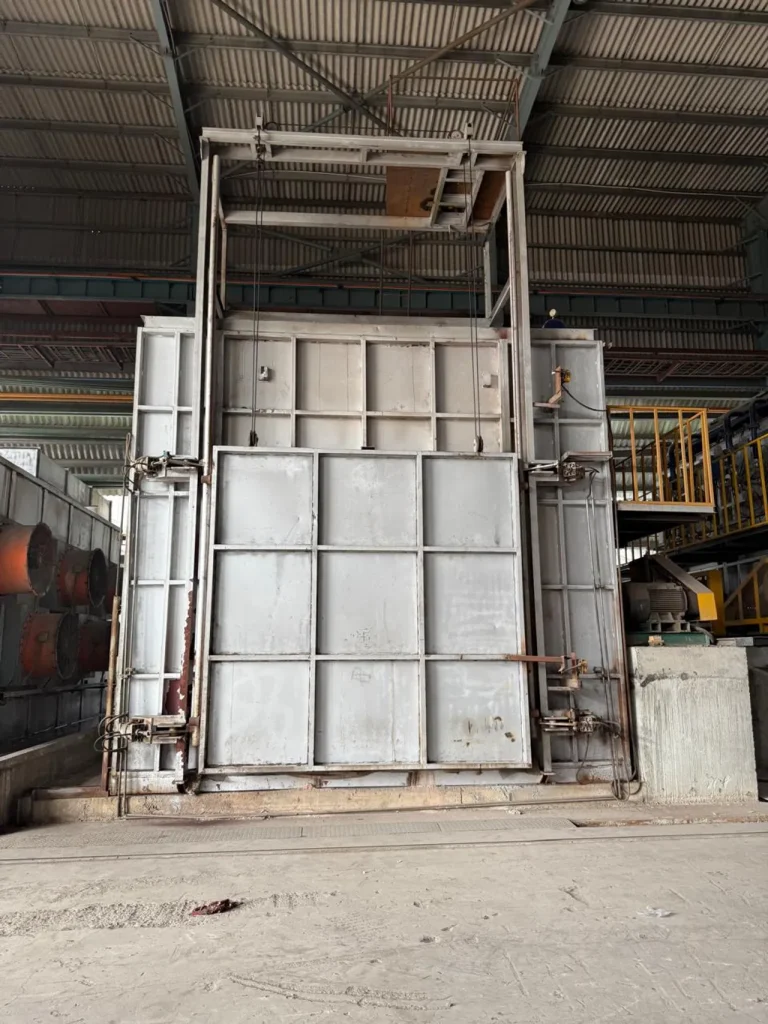
Technology choice depends on residue form, throughput, recovery target, available utilities, labour, emissions controls and whether the feed arrives hot or cooled.
| Technology | How it works | Typical recovery behaviour | Watch-outs |
|---|---|---|---|
| Sweating/reverberatory | Heats residue so zinc drains from solids | Selective separation; sweating systems have reported about 75% by weight from skimmings | Temperature uniformity, oxidation and capture at open operations |
| Salt-flux rotary | Rotates heated charge with flux to separate metal and residue | Can suit mixed or oxide-rich feed; recovery depends on sorting and flux practice | Salt-bearing residue, flux fumes and refractory wear |
| Salt-free rotary under inert atmosphere | Processes dross in a rotary vessel under inert gas, often retaining hot-feed heat | Supplier-reported zinc demonstration reached about 98% recovery; not an industry average | Supplier-specific result, inert-gas systems and hot-feed logistics |
| Induction | Electromagnetic heating melts a prepared charge | Controlled melting and low losses with suitable feed | Feed cleanliness, capacity matching and electrical supply |
| Dry-hearth/crucible kettle-type | Indirectly heats charge or melts it in a vessel | Flexible for smaller batches; results depend strongly on sorting and operator practice | Higher labour per tonne and exposure during charging, skimming and tapping |
A PyroGenesis zinc demonstration in India reported approximately 98% metal recovery from its salt-free DROSRITE process, based on independent client testing. This is a supplier-reported result, not a general performance guarantee. Closed-furnace fluxing practice has practitioner-reported in-house yields of roughly 60–80% from skimmings or ash, depending on feed and operating method.
DOE/ITP tables give indicative thermal efficiencies of 63–67% for zinc immersion furnaces and 59–76% for electric/induction zinc melting. Reported melt losses are roughly 4–7% in gas reverberatory furnaces versus 2–3% in electric furnaces. These figures help screen options; they do not replace a site-specific energy and yield balance. For wider melting and recycling requirements, compare technologies across the whole residue route, not just furnace efficiency.
Chemistry Control: Returned Zinc That the Kettle Will Accept
Recovery is only valuable when the metal meets the plant’s process needs. Iron pickup is a key control point: practitioner guidance suggests keeping iron in flux below about 1%, since excess iron can promote dross formation. Aluminum also influences dross behaviour. At roughly 0.15% Al or above in bath chemistry, bottom dross may shift toward floatable top dross, potentially easing removal and recovery. This is a bath-chemistry context, not a universal target or rule.
Set a documented return-metal procedure:
- Keep residue streams segregated by source and known chemistry.
- Record charge mass, flux additions, temperature history and recovered-metal weight.
- Sample and assay returned zinc before it re-enters the kettle; determine cadence from variability and risk.
- Compare results with kettle operating limits and review deviations with process quality staff.
- Adjust the remelting route when feed composition changes rather than correcting every issue at the kettle.
Fume Capture and Emissions Discipline
Sweating and melting can produce zinc fume, particulate, volatile metals, flux fumes and smoke from contaminated feed. AP-42 reports a fabric-filter application achieving over 99.7% particulate recovery on a muffle sweating furnace; a separate reverberatory example achieved less. That variation makes capture design and maintenance essential. Afterburners can address emissions from incomplete combustion of grease, rubber and plastics.
Design extraction around the source: close-capture hoods or enclosures at charging, tapping, skimming and transfer points, with ductwork and baghouse sized for actual operating conditions. UK PGN 2/02(13) provides permitting guidance for hot dip galvanizing processes; local permit requirements take precedence.
Maintain records for furnace temperatures, charge and yield, fan and baghouse performance, differential pressure, visible emissions, filter maintenance and abnormal events. Integrate fume monitoring into operating reviews rather than treating the baghouse as an ancillary utility.

Safety Around a Secondary Zinc Cell
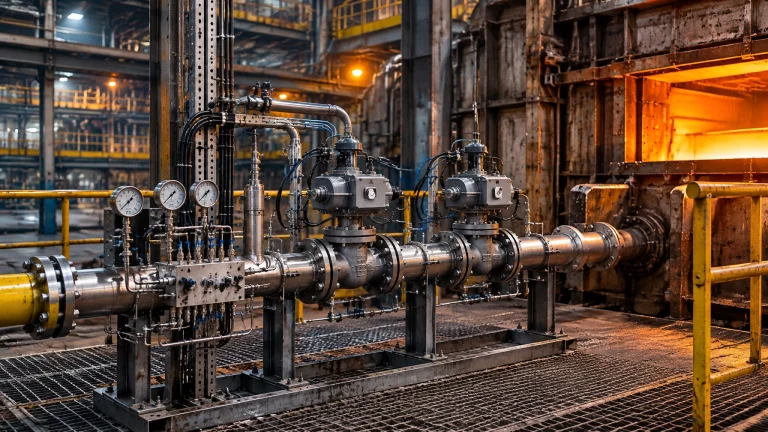
Molten zinc is commonly handled around 450°C. Water or moisture contacting a molten bath can cause a violent steam event. Exclude wet charge, inspect containers and tools, and follow emergency operating procedures for equipment failure, stray water and fire. Use submerged electric transfer pumps and preheated pipes where applicable; interlock access to hazardous zones. FM Global Data Sheet 7-33 offers molten-metals risk-management guidance, alongside applicable site and national safety requirements.
Wet Charge Is the Emergency You Can Prevent
Quarantine suspect feed; do not improvise drying or charging procedures. Confirm approved moisture-control steps, operator authority, emergency isolation and evacuation arrangements before the cell operates.
| Failure mode | Floor symptoms | First-line response | Escalate to |
|---|---|---|---|
| Iron pickup from over-temperature | Higher iron assay; increased dross | Stop charging; verify calibrated temperature and setpoint | Metallurgist and furnace engineer |
| Oxide-cake filter blockage in dross remelting | Slow drainage; metal retained in cake | Stabilize heat; inspect support and charge sizing | Process engineer |
| Fume/particulate capture exceedance | Visible plume; abnormal baghouse pressure | Pause feed if safe; check hood, fan and filter condition | EHS and emissions lead |
| Wet or contaminated charge hazards | Moisture, steam, smoke or unexpected reaction | Stop charging; isolate under site procedure | Shift manager and safety lead |
| Chemistry drift of returned zinc affecting kettle | Assay excursion; altered dross behaviour | Hold metal pending assay and acceptance review | Kettle metallurgist/quality |
| Transfer or furnace equipment failure | Leak, unstable flow or control alarm | Stop transfer; activate emergency procedure | Maintenance and incident command |
A Four-Phase Roadmap for In-House Zinc Remelting
- Phase 1: Baseline audit (30–60 days). Build a residue mass balance; define assay cadence; review off-site contract terms; measure energy and fume baselines.
- Phase 2: Furnace selection and installation (1–2 quarters). Select technology using Table 1; engineer fume capture, transfer and safety systems; stock critical furnace spare parts.
- Phase 3: Pilot operation (3–6 months). Document temperature discipline; assay returned zinc; run kettle-acceptance trials; track yield, energy and downtime.
- Phase 4: Scale and integrate (6–18 months). Standardize residue logistics across sites; align low-carbon zinc procurement; conduct periodic re-audits and integrate with recycling furnace operations.
2026 Technology and Market Updates
Secondary zinc capacity and circularity momentum
The ILZSG 2026 plants directory, USGS Mineral Commodity Summaries 2026 and zinc material-flow research help track capacity and circularity. Research, including the RWTH in-house recycling project, signals continued interest in integrating residue treatment into galvanizing production.
Salt-free/inert processing mainstreaming
The India zinc demonstration reported by PyroGenesis illustrates a salt-free, inert-atmosphere route for dross. Assess it against feed form, scale, safety case and supplier data before applying demonstration results to a plant design.
Low-carbon zinc and EPD-driven procurement
Boliden, Teck, Hindustan Zinc, Niedax and Rheinzink materials illustrate growing attention to carbon-reduced zinc and product declarations. Galvanizers increasingly need traceable data for kettle zinc and customer EPDs; closing the on-site loop can complement responsible low-carbon procurement.
Monitoring and automation of remelting cells
Temperature traceability, charging records and fume-monitoring integration make the cell more controllable. Digital logs link recovered-metal quality to feed, operating conditions and maintenance trends.
What This Means Across Your Furnace Fleet
- Hot dip galvanizing plant: Close the zinc loop and feed kettle-chemistry results back into residue sorting and remelt setpoints.
- Metal recycling furnace and melting furnace for steel operations: Coordinate zinc-bearing dust and residue streams with existing furnace and emissions controls.
- Aluminum melting furnace/casthouse: Apply transferable lessons in dross discipline, safe charging and recovery accounting without assuming zinc-specific settings transfer directly.
- Steel rolling mill and heat treatment furnaces: Galvanized scrap and coated feedstock can affect melt chemistry; segregate and characterize material before charging. See Continental Furnaces’ heat treatment furnaces.
- Wire and cable industry: Galvanized and coated wire production can generate distinct residue streams requiring documented segregation and handling.
- Industrial furnace manufacturer: Design remelting cells into galvanizing projects as complete industrial furnace systems, including capture, transfer, controls, safety interlocks and maintenance access.
Start an Enduring Partnership
Continental Furnaces brings 35+ years of expertise, ISO-certified quality, customized engineering and super prompt service to industrial furnace projects. Treat an in-house zinc remelting readiness and furnace audit as the start of an enduring partnership: one focused on safe recovery, reliable operations and lifecycle value. Request a consultation to assess your residue streams and plan a path toward sustained competitive advantage.
References
- EPA AP-42, Chapter 12.14: Secondary Zinc Processing
- UK PGN 2/02(13): Hot Dip Galvanizing Processes
- US4075008A patent
- Liquation method paper
- J. S. Afr. Inst. Min. Metall. dross-loss paper
- RWTH in-house zinc recycling project
- PyroGenesis zinc India demonstration
- Drosrite Plus COM 2012 paper
- DOE/ITP Advanced Melting Technologies
- BIR environmental benefits of recycling
- IZA LCA update
- MDPI zinc life-cycle review
- ILZSG World Zinc Factbook 2024
- ILZSG World Primary and Secondary Zinc Plants 2026
- USGS Mineral Commodity Summaries 2026: Zinc
- Zinc circularity material-flow analysis
- FM Global Data Sheet 7-33: Molten Metals
- Galvanizing safety standards overview
- Zinco zinc transfer and storage
- Boliden low-carbon SHG zinc
- Teck low-carbon zinc assertion
- Hindustan Zinc Climate Action Report 2025–26
- Niedax Group carbon-reduced zinc
- EGGA Stulens 2025 presentation
- Finishing.com zinc recovery feasibility discussion
- IOPscience melt immersion paper