The 2026 steel agenda begins with better scrap
The steel industry is entering a decisive phase. Energy volatility, carbon-accounting requirements, raw-material dependency and customer demand for lower-impact products are reshaping investment decisions across the value chain.
For industrial decision-makers, the priority is clear: convert more scrap into saleable steel with higher yield, lower energy consumption and stronger process traceability.
A modern metal recycling furnace is no longer simply a melting asset. It is the thermal core of a circular manufacturing system connecting:
- Scrap preparation and quality classification
- Secondary steelmaking
- Casting and downstream rolling
- Heat treatment
- Surface protection
- Digital production records
- Environmental and regulatory reporting
The Joint Research Centre’s analysis of the EU steel industry identifies three immediate priorities: better scrap sorting, more accurate quality classification and increased use of scrap in high-value applications. Its analysis indicates that improved management could unlock 20–40 million tonnes of additional high-quality scrap annually. It also notes that electric arc furnace production generates approximately three times less emissions per tonne of steel than blast furnace production, although the final result depends on electricity sourcing and plant configuration.
This is the business case for modern secondary steelmaking.
Why secondary steelmaking is becoming a profitability strategy
Secondary steelmaking uses recycled ferrous material as the primary metallic input. In an electric arc furnace, induction furnace or integrated melting cell, the plant converts prepared scrap into molten steel that can be refined, alloyed, cast and rolled into commercial products.
The circular benefit is substantial:
- Less dependence on virgin ore and coke
- Lower exposure to imported raw-material prices
- Reduced transport intensity
- Improved material traceability
- Greater flexibility for smaller heats and changing product grades
- A route toward lower embedded carbon
- Better alignment with recycled-content procurement requirements
However, the furnace itself does not create efficiency in isolation. Yield is determined by the entire system, from scrap inspection to tapping, slag control and downstream handling.
A high-performance melting furnace for steel should therefore be evaluated against operational KPIs such as:
- Metallic yield: target range commonly modelled at 90–95%, depending on scrap quality, oxidation and slag practice
- Electrical or fuel consumption per tonne
- Heat-to-heat cycle time
- Tap-to-tap consistency
- Refractory consumption
- Electrode or burner performance
- Temperature accuracy at tapping
- Rejection and rework rates
- Unplanned downtime
- Dust, fume and slag management
These metrics directly influence profitability. A 1% improvement in recoverable metallic yield across a 50,000-tonne annual operation represents approximately 500 tonnes of additional saleable metal, before considering the value of avoided handling and remelting.
Modern furnace technology versus traditional methods
The correct comparison is not simply “new furnace versus old furnace.” The meaningful comparison is controlled, integrated thermal processing versus poorly coordinated melting practice.
| Performance area | Modern furnace technology | Traditional or poorly controlled method |
|---|---|---|
| Feedstock management | Scrap sorting, weighing, recipe control and traceability | Variable charge composition and limited data |
| Energy performance | Heat recovery, optimized combustion or electrical control; project targets often seek 10–20% lower specific energy use | Heat losses from open charging, excess air, poor insulation and idle operation |
| Metallic yield | Controlled slag practice and reduced oxidation; commonly modelled at 90–95%, feedstock dependent | Higher oxidation, inconsistent slag removal and greater metal loss |
| Temperature control | Automated measurement and recipe-based control, often targeting deviations within ±5–10°C at critical stages | Manual intervention and wider temperature variation |
| Labour requirement | Mechanized charging, automated control and condition monitoring | Higher dependence on manual observation and intervention |
| Compliance | Digital records for energy, temperature, emissions and batch identity | Fragmented records and limited auditability |
| Maintenance | Planned inspection supported by condition data and stocked furnace spare parts | Reactive maintenance and longer outage exposure |
| Investment profile | Higher initial capital with lifecycle payback commonly screened at 2–5 years for major efficiency or uptime projects | Lower initial cost but escalating fuel, labour, quality and downtime losses |
These are engineering benchmarks rather than universal guarantees. Final performance depends on furnace capacity, material mix, electricity or fuel tariff, operating schedule, refractory design, automation level and local environmental requirements.
Five engineering levers for a more efficient metal recycling furnace
1. Control the scrap before it reaches the furnace
Scrap quality is the first efficiency lever. Copper, zinc, oil, moisture, dirt and excessive fines can increase slag volume, affect chemistry and create safety risks.
A disciplined receiving and preparation system should include:
- Supplier specifications and incoming inspection
- Magnetic and non-magnetic separation
- Moisture and contamination controls
- Batch weighing
- Chemistry sampling where required
- Digital charge recipes
- Segregation by grade and alloy family
The objective is not merely to consume more scrap. It is to consume the right scrap for the target product.
2. Match furnace architecture to the production profile
A furnace selected without considering the downstream process creates avoidable cost. The correct design depends on:
- Heat size and annual tonnage
- Ferrous or non-ferrous feedstock
- Required steel grades
- Tap temperature
- Batch or continuous production
- Available electrical infrastructure
- Fuel and utility costs
- Space, crane and material-flow limitations
- Integration with casting or a steel rolling mill
Continental Furnaces develops customized industrial furnace systems for ferrous and non-ferrous operations. Its wider portfolio includes melting and recycling projects, annealing systems, heat treatment and galvanizing solutions.
3. Recover and reuse thermal energy
A large share of furnace losses leaves through exhaust gases, openings, cooling systems and poorly insulated structures. Energy audits should quantify:
- Exhaust-gas temperature
- Furnace-wall and door losses
- Idle-time consumption
- Combustion-air temperature
- Cooling-water heat rejection
- Batch loading losses
- Heat transfer uniformity
Regenerative or recuperative combustion, improved insulation, sealed doors and waste-heat integration can produce material savings. A realistic project model should calculate kWh or fuel units per tonne, not only total monthly consumption.
4. Automate the critical control points
Industry 4.0 is valuable when it improves decisions, not when it adds disconnected screens.
High-value automation includes:
- Automated charge weighing and recipe management
- Pyrometric temperature measurement
- PLC and SCADA supervision
- Alarm and interlock management
- Energy metering by heat or batch
- Refractory condition tracking
- Predictive maintenance alerts
- Production and quality traceability
This data allows plant managers to connect furnace performance with yield, cycle time and customer quality. It also supports regulatory reporting and internal carbon accounting.
5. Protect uptime through lifecycle service
A furnace that is efficient only when fully operational is not an efficient asset. Unplanned shutdowns affect production schedules, customer deliveries, labour utilization and rolling-mill continuity.
A lifecycle maintenance plan should cover:
- Burners, electrodes and heating elements
- Thermocouples and temperature sensors
- Refractory linings and seals
- Hydraulic and pneumatic components
- Fans, dampers and control valves
- Electrical panels and instrumentation
- Safety interlocks
- Critical furnace spare parts
Continental Furnaces provides furnace spares and accessories to support reliable maintenance and minimize downtime.
Circular manufacturing extends beyond the melting shop
The circular economy does not end when molten steel is tapped. Downstream thermal and surface-treatment operations determine whether recycled steel achieves the required service life.
For example:
- Heat treatment furnaces restore or optimize hardness, ductility and fatigue performance.
- A controlled annealing line supports consistent wire and rod properties.
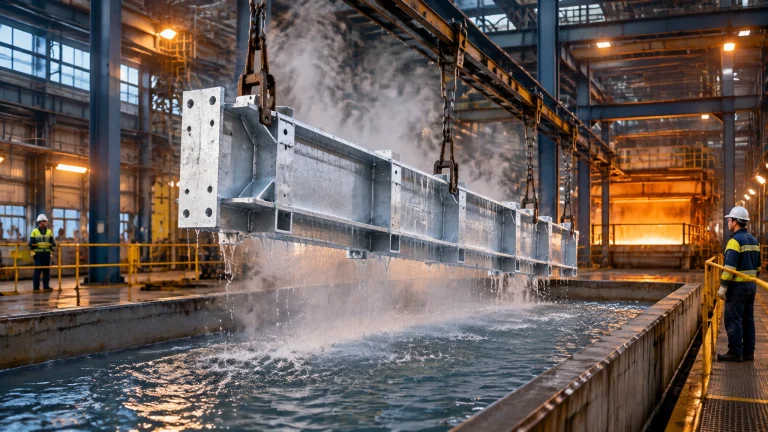
- A hot dip galvanizing plant extends corrosion resistance and product life.
- Pickling and surface preparation improve coating quality.
- In the wire and cable industry, thermal uniformity affects conductivity, tensile strength, flexibility and line speed.
- For non-ferrous operations, an aluminum melting furnace must control oxidation, dross generation and alloy chemistry.
This integrated view prevents a common mistake: improving the melting stage while allowing excessive rejection or rework downstream.
A practical 2026 implementation roadmap
Phase 1: Assessment and planning
Establish a verified baseline for:
- Energy per tonne
- Yield and slag generation
- Heat cycle time
- Downtime
- Labour intervention
- Refractory and spare-part costs
- Emissions and environmental controls
Phase 2: Process and equipment engineering
Define the furnace capacity, feedstock recipe, temperature profile, automation architecture, utility requirements and downstream interfaces.
The design must be customized to the plant: not copied from a catalogue.
Phase 3: Installation and commissioning
Commissioning should validate:
- Heat balance
- Temperature uniformity
- Charging and tapping sequence
- Safety interlocks
- Energy meters
- Production recipes
- Operator training
- Environmental-control performance
Phase 4: Optimization and lifecycle support
Review performance at 30, 90 and 180 days. Compare actual results with the original baseline and adjust recipes, controls, maintenance intervals and operating procedures.
This is where an enduring partnership creates value. The furnace purchase is only the beginning; sustained yield and uptime are the real return.
The strategic decision for steel manufacturers
The 2026 circular manufacturing agenda is moving steel production toward higher scrap utilization, better material intelligence, electrification, lower emissions and stronger product-level accountability.
Industrial leaders should act now by asking:
- Can our present furnace process higher-quality scrap reliably?
- Do we know our true energy cost per tonne?
- Is our metallic yield measured heat by heat?
- Can our data support recycled-content and carbon reporting?
- Are our downstream heat treatment and galvanizing processes aligned?
- Do we have a critical-spares strategy that protects production?
Continental Furnaces brings more than 35 years of thermal engineering expertise to these decisions. As an experienced industrial furnace manufacturer, the company provides customized thermal processing equipment, melting and recycling projects, heat treatment systems, galvanizing plants and lifecycle support for ferrous and non-ferrous industries.
Consult Continental Furnaces to assess your melting, recycling or thermal-processing operation. Make the 2026 upgrade decision a strategic move toward higher yield, lower energy cost, stronger regulatory readiness and sustained competitive advantage.