Morning Edition | 17 October 2026
Protective atmosphere control is not an accessory to a heat-treatment recipe. It is part of the process itself. A furnace can reach its temperature setpoint and hold it accurately, yet still deliver poor surface quality if oxygen, moisture or carbon activity are not controlled around the load.
For manufacturers, the consequences include oxidation, decarburization, inconsistent case depth, rework and rejected parts. The right atmosphere strategy therefore protects both metallurgical results and production economics. This guide compares three established approaches (endothermic gas, nitrogen-methanol and dissociated ammonia) and sets out a practical roadmap for selecting and maintaining the system.
Why furnace atmosphere control matters
At elevated temperatures, the surface of steel responds to the surrounding gas chemistry. Oxygen and water vapour can contribute to scale or surface oxidation; an atmosphere with insufficient carbon activity can cause decarburization. In carburizing, excessive or poorly controlled carbon potential can create unwanted surface conditions, including soot or excessive carbon uptake.
The required atmosphere depends on the process and product:
- Neutral hardening: limit surface reactions while achieving the specified thermal cycle.
- Carburizing: provide controlled carbon activity to develop the required case.
- Bright annealing: limit oxidation so that the finished surface retains its required appearance and condition.
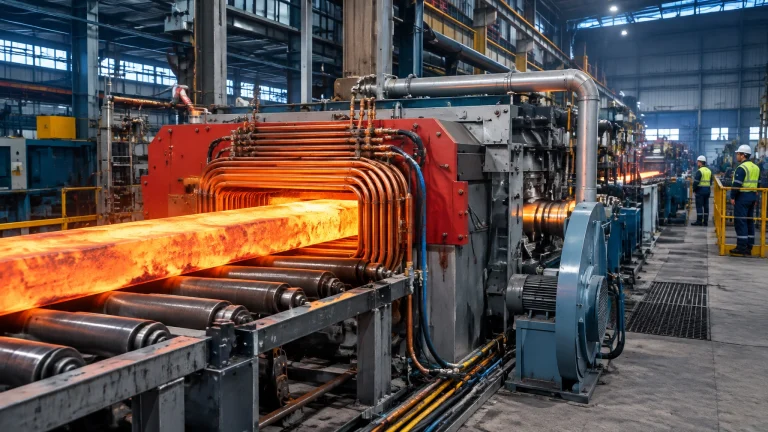
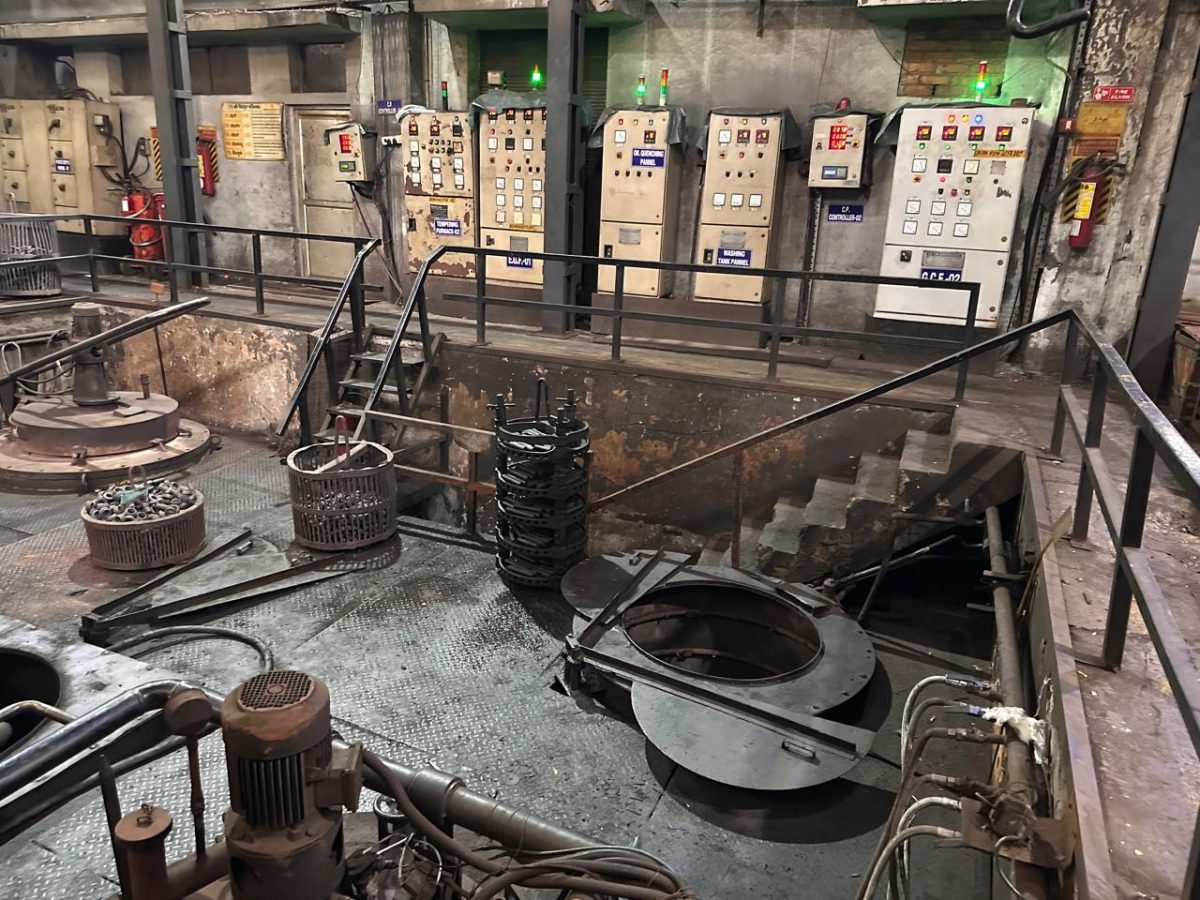
A sound control plan coordinates gas composition, furnace temperature, flow, pressure, sealing and purge sequence. A well-designed heat treatment furnace brings these elements together in equipment matched to the load, production rate and process recipe.
Three atmosphere routes: match the gas to the process
1. Endothermic gas: established carrier gas for carburizing
An endothermic generator reacts a controlled mixture of air and natural gas, or propane, over a heated nickel catalyst at approximately 1,038°C (1,900°F). A typical endogas composition is roughly 20% carbon monoxide (CO), 40% hydrogen (H₂) and 40% nitrogen (N₂). Actual composition varies with fuel, air-to-gas ratio, generator condition and operating practice.
The gas is commonly used as a carrier atmosphere in carburizing and related processes. Enrichment gas can then be added to adjust carbon potential. This arrangement offers proven process familiarity, but it depends on a correctly operating generator, stable supplies and disciplined maintenance.
Key operating checks include:
- Generator temperature and air-to-gas ratio.
- Gas composition and outlet pressure.
- Furnace atmosphere flow and pressure.
- Catalyst condition and evidence of contamination or deterioration.
2. Nitrogen-methanol: flexible, generator-free supply
In nitrogen-methanol systems, methanol is delivered to the furnace and dissociates into approximately equal volumes of CO and H₂; nitrogen serves as the diluent and carrier. A representative blend is around 40% nitrogen and 60% dissociated methanol products, or approximately 40% N₂, 30% CO and 30% H₂.
This route can avoid a separate endothermic gas generator and may offer lower maintenance, reduced floor-space demand and lower system energy use, depending on plant layout, throughput, supply costs and operating conditions. It can also support on-demand composition adjustment through metered gas flows. Those advantages are not automatic: methanol delivery, vaporization, flow control and atmosphere verification must be engineered for the specific furnace and recipe.
3. Dissociated ammonia: bright-annealing atmosphere
Dissociated ammonia is commonly described as approximately 75% hydrogen and 25% nitrogen. Its hydrogen-containing atmosphere can support bright annealing of wire and stainless products, provided oxygen ingress and moisture are tightly managed. Final surface quality depends on the alloy, temperature, dew point, furnace sealing, purging and the qualified process recipe, not just the nominal gas blend.
The industry is also evaluating onsite hydrogen and nitrogen generation as an alternative to delivered gas. Potential safety and cost benefits must be assessed alongside capital investment, gas purity, storage or generation arrangements, ventilation, detection, interlocks and applicable safety requirements.
Carbon potential: control the measurement, not just the setpoint
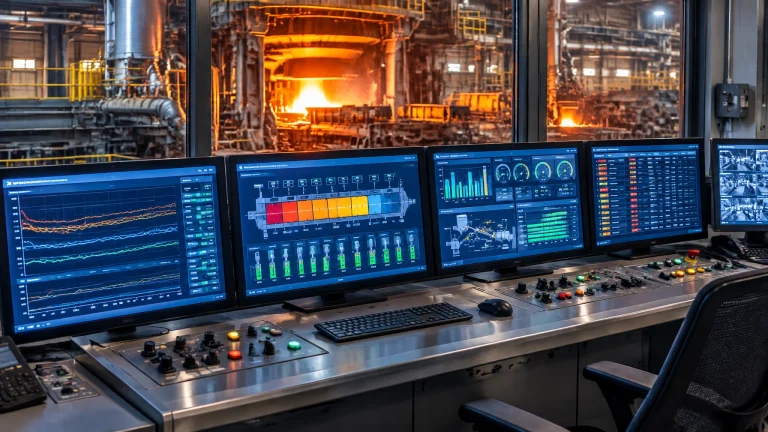
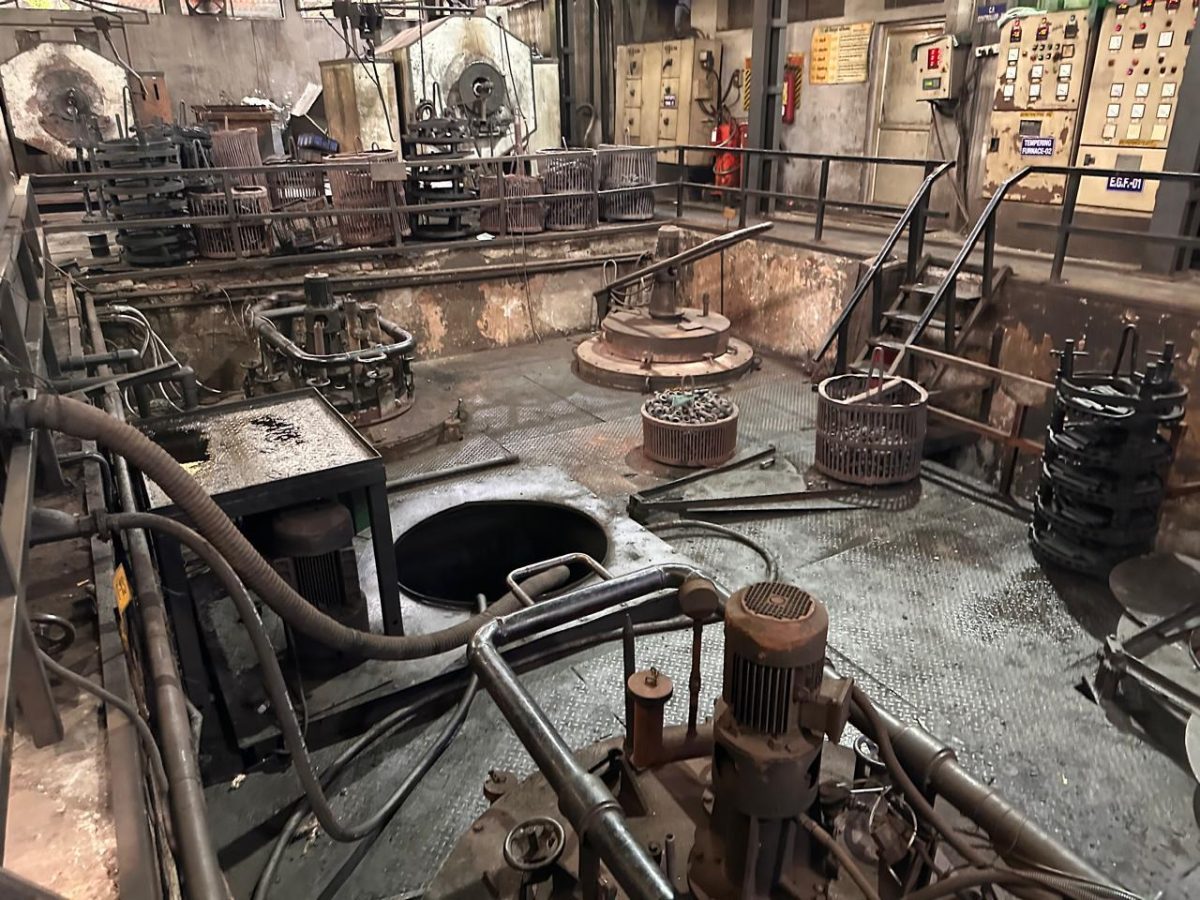
In carburizing, an oxygen probe, typically zirconia-based, provides a fast signal used by the control system to calculate carbon potential. Some installations also use dew-point measurement and infrared gas analysis of CO₂ or other gas components.
The important operational point is that a probe reading is not a substitute for verification. Probe condition, reference air, deposits, calibration and changes in gas composition can affect its interpretation. A control calculation based on assumed CO content can also be wrong when actual generator or supply-gas composition has shifted.
Build periodic verification into the quality plan:
- Compare oxygen-probe readings with IR gas analysis, including CO and CO₂ where appropriate.
- Check dew point when moisture control is material to the process.
- Use shim-stock tests as a practical independent check of carburizing atmosphere performance.
- Review gas-analysis results whenever fuel, generator settings, enrichment strategy or supply conditions change.
- Record instrument checks, corrections and recipe changes for traceability.
Published technical references discuss carbon-potential control using oxygen probes and CO₂ sensors, as well as practical atmosphere measurement and troubleshooting. See the oxygen-probe and CO₂ sensor study and protective-atmosphere measurement guidance. Final setpoints and test intervals must be qualified for the material, furnace and process.
At-a-glance comparison
| Atmosphere option | Typical composition or basis | Strong fit | Main operational considerations |
|---|---|---|---|
| Endothermic gas | Approx. 20% CO / 40% H₂ / 40% N₂; generator-made | Carburizing and established carrier-gas applications | Generator, catalyst, air-to-gas ratio and gas analysis require attention |
| Nitrogen-methanol | Methanol dissociates to CO and H₂; N₂ is added as carrier/diluent | Flexible atmosphere supply where generator-free operation is advantageous | Methanol metering, vaporization, gas flow and composition checks are essential |
| Dissociated ammonia | Approx. 75% H₂ / 25% N₂ | Bright annealing of suitable wire and stainless products | Purity, moisture, oxygen ingress and hydrogen safety controls are critical |
| Onsite H₂/N₂ generation | System-dependent; generated to the specified purity and flow | Plants assessing supply resilience and delivered-gas costs | Requires a site-specific safety, capital and operating-cost assessment |
These are selection guides, not universal recipes. A process trial and documented qualification should establish the final gas composition, flow and acceptance criteria.
Keep atmosphere control connected to plant energy performance
Atmosphere quality and combustion efficiency are related parts of furnace performance, but they are not the same measurement. A recuperator can recover 40–60% of waste heat, preheat combustion air to 300–800°C and support 25–30% fuel savings in suitable installations. Regenerative burners can achieve 60–90% heat recovery and 40–60% fuel savings, depending on design and operating conditions.
These figures describe combustion-side opportunities; they do not guarantee a particular fuel reduction or atmosphere result. Actual outcomes depend on furnace configuration, duty cycle, maintenance and operating profile. For a plant evaluating upgrades to wider industrial furnace systems, energy performance and atmosphere quality should be assessed together, with separate acceptance measures for each.
A phased buyer’s and operator’s roadmap
Phase 1: Define the process window
Document alloy grades, load dimensions, production volume, temperature range, surface requirements and whether the application is neutral hardening, carburizing or bright annealing. Identify the quality measures that matter: case depth, surface condition, carbon potential or finished appearance.
Phase 2: Compare atmosphere supply options
Evaluate endogas, nitrogen-methanol, dissociated ammonia or onsite gas generation against the plant’s floor space, utilities, gas availability, output profile and maintenance capability. For the wire and cable industry, for example, consider whether continuous or batch processing, product range and bright-surface requirements call for more than one qualified recipe.
Phase 3: Specify control and verification
Define the instrumentation and procedures together:
- Probe type, installation and reference-air checks.
- Dew-point and IR gas-analysis access.
- Flow and pressure measurement, alarms and interlocks.
- Purging and start-up sequence.
- Periodic verification frequency and documented response to out-of-limit results.
Phase 4: Commission and qualify
Commission the generator or gas-mixing system, verify flow and composition, and test the furnace under representative operating conditions. Confirm results on production loads before approving recipes for routine use. Keep results traceable to material, load and furnace cycle.
Phase 5: Protect uptime through planned maintenance
Include generator catalyst replacement intervals, probe inspection and checks, flow-control calibration, gas-line integrity and analyzer servicing in the maintenance plan. Keep critical furnace spare parts, including sensors and flow-control components, available according to site risk and lead time. For a steel rolling mill or any continuous production operation, planned readiness can reduce the risk that a small instrument failure becomes a production interruption.
Build control into the enduring equipment partnership
Protective atmosphere control is a system responsibility: furnace design, gas supply, measurement, operator practice and maintenance must work as one. Continental Furnaces brings more than 35 years of industrial furnace manufacturing experience to customized thermal processing solutions, with attention to performance, lifecycle support and prompt service.
Review your process requirements with an experienced industrial furnace manufacturer and define the atmosphere, verification and maintenance strategy before investing in a new line or modifying an existing one. Request a consultation and quote to build a practical plan for improved surface quality, dependable production and sustained competitive advantage.
Technical values in this article are representative benchmarks, not operating instructions. Validate atmosphere composition, safety provisions and process setpoints for the specific furnace, gas supply, material and applicable standards.