As we cross the mid-point of 2026, the global metallurgical sector is navigating a pivotal transition. The convergence of aggressive decarbonization mandates, the maturation of industrial AI, and a volatile energy landscape has redefined the baseline for operational excellence. At Continental Furnaces, we recognize that for the modern steel rolling mill, staying competitive is no longer just about volume: it is about thermal intelligence and energy agility.
This morning’s briefing focuses on the three pillars of 2026's thermal processing landscape: the deep electrification of the reheat process, the integration of autonomous thermal twins, and the architectural synchronization of SCADA-MES-ERP systems. As a leading industrial furnace manufacturer with over 35 years of tenure, we provide the roadmap to navigate these quantum leaps in technology.
I. The Electrification Frontier: Decarbonizing the Reheat Process
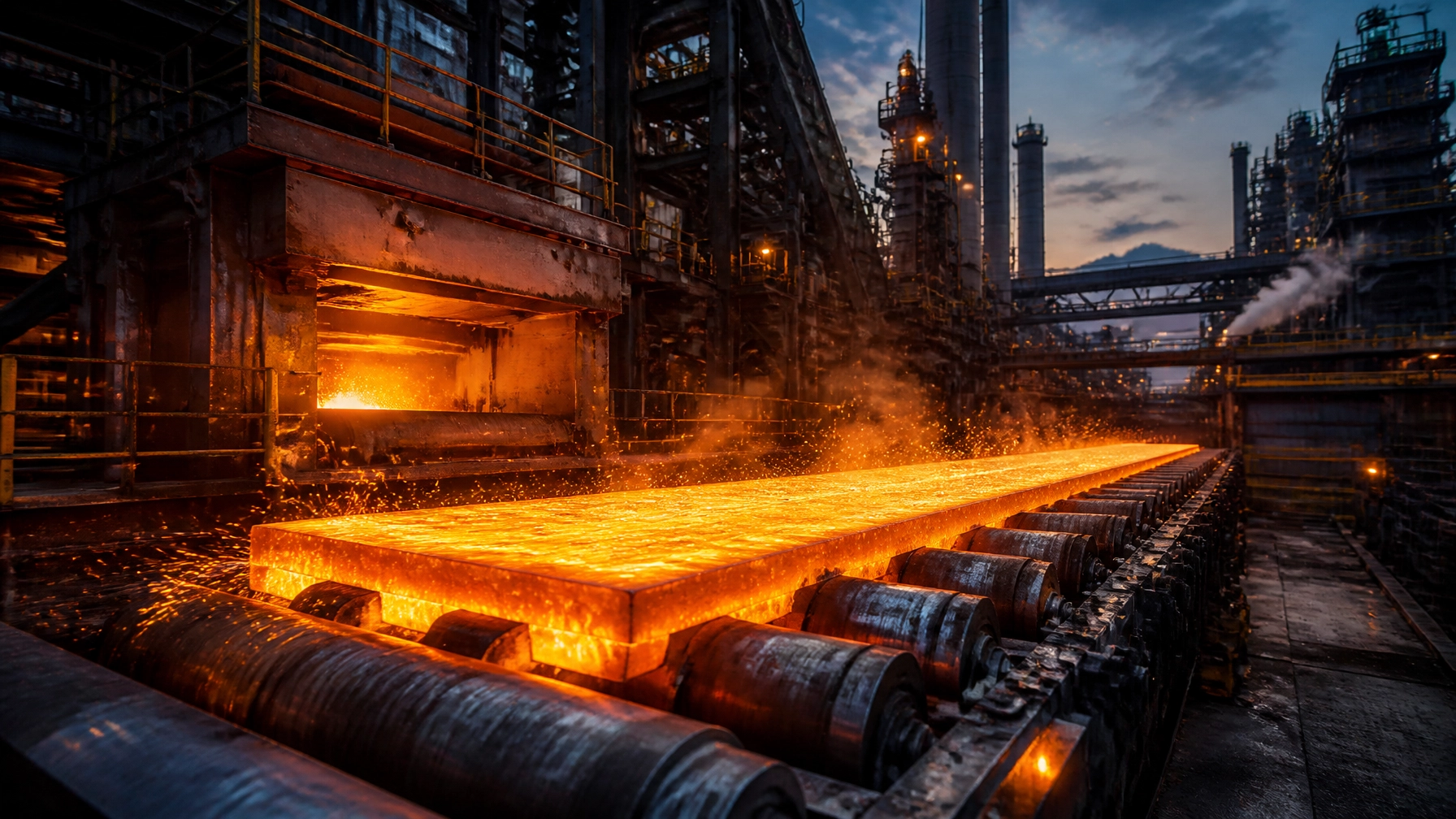
The most significant shift in 2026 research is the transition of heat treatment furnaces from fossil-fuel reliance to high-efficiency electrification. While hydrogen blends have served as a transitional fuel, induction heating has emerged as the primary contender for precision billet and slab reheating.
Recent data suggests that fully electrified industrial furnace systems can achieve a reduction in direct CO2 emissions by up to 85% when coupled with a decarbonized grid. For a melting furnace for steel, the move toward Electric Arc Furnace (EAF) expansion is now being mirrored in the reheating stage.
Comparative Analysis: Traditional Gas vs. Next-Gen Electric Furnaces (2026 Benchmarks)
| Metric | Traditional Gas-Fired Reheat | Induction/Electric Reheat | Advantage |
|---|---|---|---|
| Energy Efficiency | 35% – 45% | 85% – 92% | Electric |
| Start-up Time | 4 – 8 Hours | 15 – 30 Minutes | Productivity |
| Carbon Footprint | ~0.2t CO2/tonne steel | <0.02t CO2/tonne steel | Compliance |
| Oxidation Loss | 1.5% – 2.0% (Scale) | 0.2% – 0.5% (Scale) | Yield |
| Maintenance Cycle | High (Burner fouling) | Low (Coil integrity) | ROI |
The adoption of electric thermal processing equipment is no longer a peripheral strategy; it is an essential move for manufacturers aiming to circumvent increasing carbon taxes and energy volatility.

II. Circularity and Waste Heat Recovery: The Rise of Specialized Melting
Sustainability in 2026 is driven by the circular economy, placing a premium on a high-performance metal recycling furnace. The ability to process varied scrap grades with minimal loss is the hallmark of modern non-ferrous operations.
In the aluminum melting furnace sector, we are seeing a 30% increase in the adoption of regenerative burner technology. By capturing exhaust energy to preheat combustion air, plants are achieving fuel savings of up to 25%. This is particularly critical for the wire and cable industry, where energy costs represent a significant portion of the total cost of ownership (TCO).
Key Performance Indicators (KPIs) for 2026 Circularity:
- Thermal Yield: Target >98% through advanced refractory lining.
- Specific Fuel Consumption (SFC): Reduction of 15% year-over-year via recuperative heat exchange.
- Dross Formation: Limited to <1.2% in aluminum melting through precise atmospheric control.

III. AI and Digital Twins: The Intelligence Layer
The integration of Machine Learning (ML) into industrial furnace systems has moved from experimental to foundational. By 2026, the "Digital Twin" is the standard for thermal optimization. A digital twin is a real-time virtual replica of the furnace, updated continuously with operational data to simulate "what-if" scenarios.
Predictive Maintenance and Lifecycle Management
The cost of unplanned downtime in a high-output facility can exceed $50,000 per hour. Predictive maintenance algorithms now analyze vibration, thermal gradients, and power draw to forecast the failure of furnace spare parts before they occur.
- Refractory Health Monitoring: Using thermal imaging and ML to predict thinning areas in the furnace lining.
- Burner Optimization: Real-time adjustments to air-fuel ratios to ensure complete combustion and minimal NOx emissions.
- Part Inventory Sync: Automated ordering of critical furnace spare parts triggered by remaining-useful-life (RUL) sensors.

IV. Smart Rolling Mills: Vertical Integration of the Value Chain
A smart steel rolling mill in 2026 is characterized by its vertical data integration. The silos between the shop floor (SCADA), the management layer (MES), and the business office (ERP) have been dismantled.
Precision Engineering in Coating and Finishing
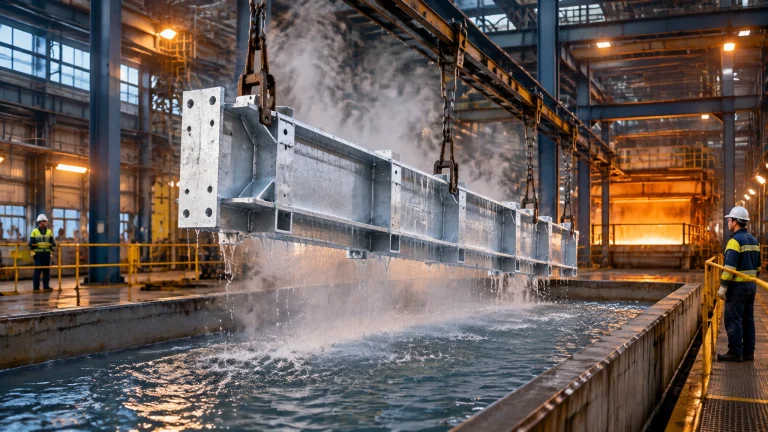
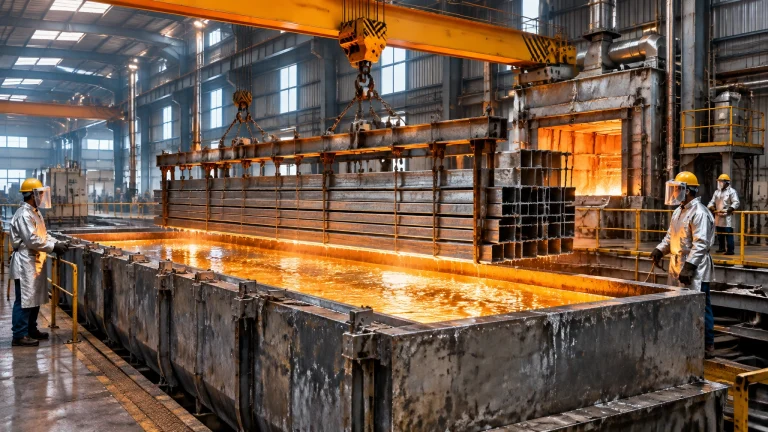
In the hot dip galvanizing plant, precision is paramount to prevent zinc wastage and ensure corrosion resistance. Integrated SCADA systems now adjust dipping speeds and kettle temperatures based on real-time thickness sensors, ensuring that every micron of coating adds value without waste.
Strategic Roadmap for Smart Integration:
- Phase 1: Sensorization. Retrofitting legacy equipment with IoT nodes for temperature and pressure data.
- Phase 2: Connectivity. Establishing a unified data lake via MQTT or OPC-UA protocols.
- Phase 3: Optimization. Deploying ML models for real-time setpoint tuning and energy-efficient scheduling.
- Phase 4: Autonomy. Transitioning to "lights-out" furnace zones where AI handles 95% of operational adjustments.

V. Strategic Partnership: The Continental Furnaces Advantage
At Continental Furnaces, we don't just supply hardware; we engineer long-term profitability. As a premier industrial furnace manufacturer, our commitment extends beyond the initial commission to a lifecycle partnership that prioritizes your competitive edge.
Our thermal processing equipment is designed for the rigors of 2026 and beyond, incorporating the latest in energy-efficient refractory materials and smart control logic. Whether you are upgrading a hot dip galvanizing plant or seeking a state-of-the-art melting furnace for steel, our team provides the technical wisdom required to thrive in a low-carbon economy.
Conclusion and Call to Action
The transition to smart, electrified, and data-driven manufacturing is not merely an option: it is the prerequisite for survival in the modern industrial era. Continental Furnaces remains your steadfast partner in this evolution, providing the high-performance solutions that define the industry standard.
Secure your competitive advantage today.
Contact our Senior Engineering Consultants for a comprehensive thermal audit of your facility. Let us design a roadmap that optimizes your yield, slashes your energy overhead, and prepares your operations for the next decade of industrial excellence.