Energy efficiency has become a direct determinant of industrial profitability. In 2026, plant managers are dealing with volatile energy prices, tighter carbon-accounting requirements, pressure from global customers, and the need to maintain production without extended shutdowns.
For many facilities, the answer is not immediate furnace replacement. A structured modernization program can upgrade an existing furnace, rolling line, or thermal processing cell while preserving the core asset, plant layout, and established production workflow.
A well-engineered retrofit can target 15–30% fuel savings, improve temperature uniformity, reduce unplanned downtime, and strengthen the operational life of an existing furnace system. The result is a faster path to efficiency than full replacement, with a more manageable capital profile.
Why Furnace Retrofit Is the Strategic 2026 Choice
Legacy industrial furnace systems often continue to deliver acceptable output while operating well below current efficiency standards. Energy losses typically occur through:
- Excess combustion air and poorly balanced burners
- High-temperature flue-gas discharge
- Air infiltration through doors, seals, and inspection ports
- Inadequate insulation around walls, roofs, hearths, and skid systems
- Uncontrolled furnace pressure
- Inefficient loading, unloading, and production scheduling
- Outdated instrumentation and manual process control
- Delayed maintenance caused by unavailable furnace spare parts
The U.S. Department of Energy’s process heating sourcebook describes a systems-based approach built around heat generation, heat containment, heat transfer, waste-heat management, and enabling technologies.
That approach remains highly relevant in 2026. The greatest retrofit gains come from integrating several improvements rather than installing one isolated component.
The Retrofit Opportunity Across Industrial Applications
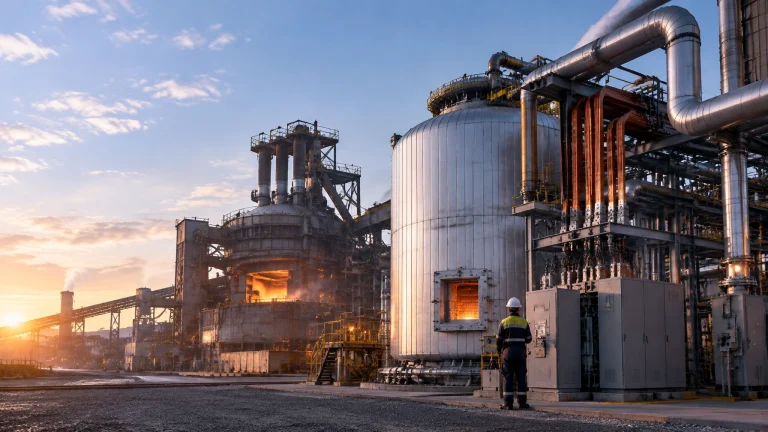
Modernization is not limited to one furnace type. It applies across a broad range of thermal processing equipment, including:
- Reheating furnaces in a steel rolling mill
- Continuous and batch heat treatment furnaces
- Melting furnaces for ferrous and non-ferrous metals
- An aluminum melting furnace serving automotive or recycling operations
- A melting furnace for steel used in foundry or casting production
- Furnaces supporting the wire and cable industry
- Galvanizing and annealing lines
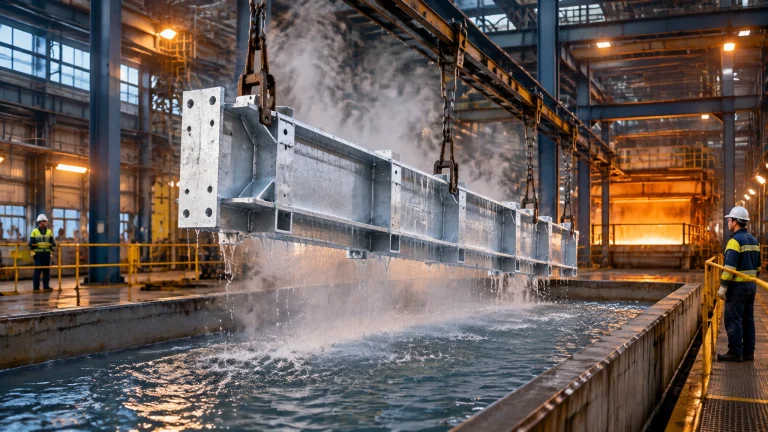
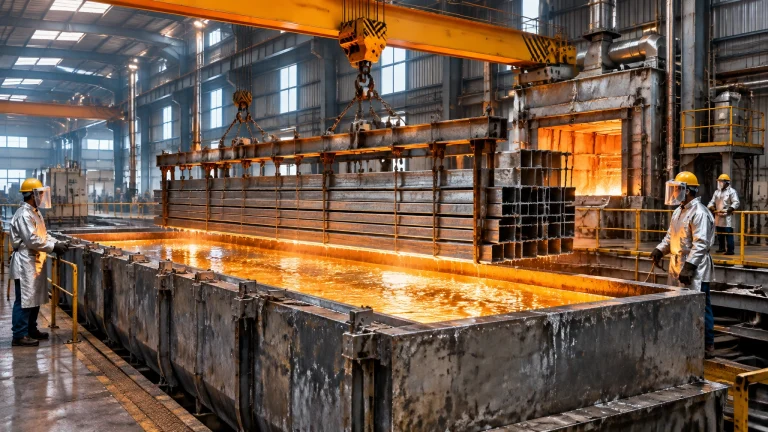
- A hot dip galvanizing plant requiring stable heating and process consistency
- A metal recycling furnace processing variable scrap streams
The correct retrofit package depends on furnace design, operating temperature, fuel source, throughput, material chemistry, and production schedule. A retrofit must be engineered around the process rather than applied as a generic equipment upgrade.

Retrofit Versus Full Replacement: A Practical Comparison
| Decision factor | Traditional full replacement | Modernization and retrofit |
|---|---|---|
| Initial capital requirement | High | Moderate and phased |
| Production disruption | Often significant | Planned around maintenance windows |
| Plant civil work | Frequently extensive | Usually limited |
| Use of existing material handling | May require replacement | Preserved where suitable |
| Energy improvement potential | High | Typically 15–30%, depending on baseline |
| Typical payback | 3–7 years | Approximately 1.5–4 years for suitable projects |
| Implementation flexibility | Major one-time project | Modular roadmap |
| Operational learning curve | New system required | Familiar platform retained |
| Spare-parts strategy | New inventory required | Existing and upgraded components can be managed together |
These ranges are planning benchmarks, not guarantees. The financial outcome depends on fuel cost, operating hours, production volume, furnace condition, and the depth of modernization. A reliable business case begins with measured baseline data.
The Highest-Value Retrofit Measures
1. Burner and Combustion-Control Upgrades
Burner modernization is often the fastest route to measurable savings in a gas-fired furnace. High-efficiency burners, electronic ratio control, oxygen monitoring, and zone balancing reduce excess air while maintaining the required metallurgical profile.
Key objectives include:
- Stable air-to-fuel ratio across the operating range
- Controlled furnace pressure
- Improved flame distribution
- Lower stack temperature
- Reduced carbon monoxide and unburned hydrocarbons
- More consistent heating between zones
A suitable burner and combustion-control retrofit can deliver 10–25% fuel reduction in an inefficient installation. It can also improve ramp-up performance and reduce thermal variation across billets, bars, coils, or components.
2. Waste-Heat Recovery
Flue gases leaving a high-temperature furnace still contain substantial usable energy. Retrofit options include:
- Recuperators for combustion-air preheating
- Regenerative burner systems
- Load or billet preheating
- Hot-water or thermal-fluid generation
- Heat cascading to lower-temperature plant processes
The DOE sourcebook identifies 5–30% energy reduction as a typical range for waste-heat recovery, depending on exhaust temperature, flow, cleanliness, and process integration. Systems operating above approximately 500–600°C exhaust temperature are particularly strong candidates for evaluation.
The first engineering rule is simple: reduce unnecessary heat loss before installing recovery equipment. Recovering waste from a poorly sealed furnace increases complexity without solving the root problem.
3. Sealing, Insulation, and Openings
Small leaks create significant losses when a furnace operates continuously. Negative pressure draws ambient air through door seals, burner mounts, observation ports, and expansion joints. That cold air must then be heated and discharged through the stack.
A focused inspection should cover:
- Furnace doors and door frames
- Skid-pipe and roller seals
- Burner blocks and mounting points
- Roof and sidewall insulation
- Charging and discharge openings
- Flue connections and ductwork
- Cooling-water penetrations
- Access panels and inspection ports
Correct sealing and pressure control can reduce fuel consumption by 5–10% in certain legacy installations. It also limits oxidation, improves temperature stability, and protects operators from uncontrolled hot-gas release.
4. Instrumentation and Industry 4.0 Controls
Industry 4.0 retrofits do not require a completely new furnace. Existing assets can be upgraded with:
- Calibrated temperature sensors
- Oxygen and combustion-gas monitoring
- Furnace-pressure transmitters
- Fuel-flow and electricity metering
- PLC and HMI upgrades
- Production-linked energy dashboards
- Alarm and event history
- Remote service diagnostics

The essential KPI is not merely furnace efficiency. Plant leaders should track:
- Energy consumption per tonne
- Fuel or electricity per batch
- Throughput per operating hour
- Thermal uniformity
- Scale loss and oxidation
- Scrap and rework rate
- Furnace availability
- Unplanned downtime
- Maintenance response time
This creates the operational evidence required for carbon reporting, customer audits, and continuous improvement.
A Four-Phase Furnace Modernization Roadmap
Phase 1: Assessment and Planning
Begin with a measured baseline rather than assumptions.
Review:
- Current fuel and power consumption
- Production tonnes per hour
- Temperature profiles and uniformity
- Stack temperature and oxygen level
- Furnace pressure
- Heat losses from openings and surfaces
- Maintenance history
- Availability of critical furnace spare parts
The output should be a heat-and-material balance, retrofit priority list, preliminary ROI model, and shutdown plan.
Phase 2: Quick-Win Efficiency Improvements
Implement measures with limited production interruption:
- Burner tuning and balancing
- Sensor calibration
- Door-seal repair
- Furnace-pressure correction
- Air-leak reduction
- Control-logic optimization
- Preventive replacement of high-wear parts
This phase establishes early savings and generates reliable operational data for deeper upgrades.
Phase 3: Deep Retrofit and Heat Integration
Based on the audit, proceed with higher-value modifications:
- Recuperative or regenerative burners
- Waste-heat recovery
- Improved insulation systems
- Upgraded loading and discharge mechanisms
- Automated temperature and atmosphere control
- Electrical power improvements for induction or resistance systems
- Process integration with rolling, casting, galvanizing, or recycling operations
For an industrial furnace manufacturer, the engineering responsibility extends beyond equipment supply. The retrofit must be designed for installation access, operator safety, commissioning, and long-term serviceability.
Phase 4: Verification and Lifecycle Optimization
After commissioning, compare performance against the original baseline.
Verify:
- Fuel savings per tonne
- Production capacity
- Temperature uniformity
- Emissions performance
- Product quality
- Maintenance frequency
- Payback progression
Maintain an inventory of critical furnace spare parts and accessories to protect uptime. Genuine, application-matched parts reduce emergency procurement risk and help preserve the performance gains achieved during modernization.
Retrofit Thinking Supports the Circular Economy
Modernization extends the productive life of existing assets, reduces demolition and replacement waste, and lowers the embedded carbon associated with manufacturing an entirely new line.
The same principle applies to metal processing. A modern metal recycling furnace can improve recovery and reduce dependence on virgin raw materials. In aluminum recycling, efficient furnace design can provide substantial energy advantages compared with primary production. Continental Furnaces also documents the role of the industrial aluminum melting furnace in improving metal recovery, automation, and process control.
Energy efficiency, asset longevity, material recovery, and regulatory compliance now form one business case.
The Continental Furnaces Partnership Model
A successful retrofit is not a short-term equipment transaction. It is an enduring engineering partnership involving:
- Application assessment
- Thermal and mechanical design
- Retrofit-compatible equipment selection
- Manufacturing and quality control
- Installation planning
- Commissioning and operator training
- Critical spare-parts support
- Performance monitoring
- Responsive after-sales service
With more than 35 years of industrial furnace expertise, Continental Furnaces develops customized thermal processing solutions for steel, aluminum, foundry, galvanizing, recycling, automotive, aerospace, and wire and cable applications.
The 2026 route to lower furnace energy consumption does not begin with a replacement quotation. It begins with a measured assessment of what the existing line can achieve.
Contact Continental Furnaces for a modernization consultation. Together, we can identify the highest-value retrofit measures, build a phased investment roadmap, and convert your existing thermal processing line into a more efficient, reliable, and compliant production asset: creating sustained competitive advantage for the years ahead. Discuss your project with our engineering team.