Author: Continental Furnaces

Continental Furnaces Industrial Insights (Morning Edition): Decarburization Control 2026, Surface Carbon Protection, Atmosphere & Dew-Point Discipline and Temperature-Time Optimisation for High-Carbon Steels, Spring Wire and Steel Rolling Mills

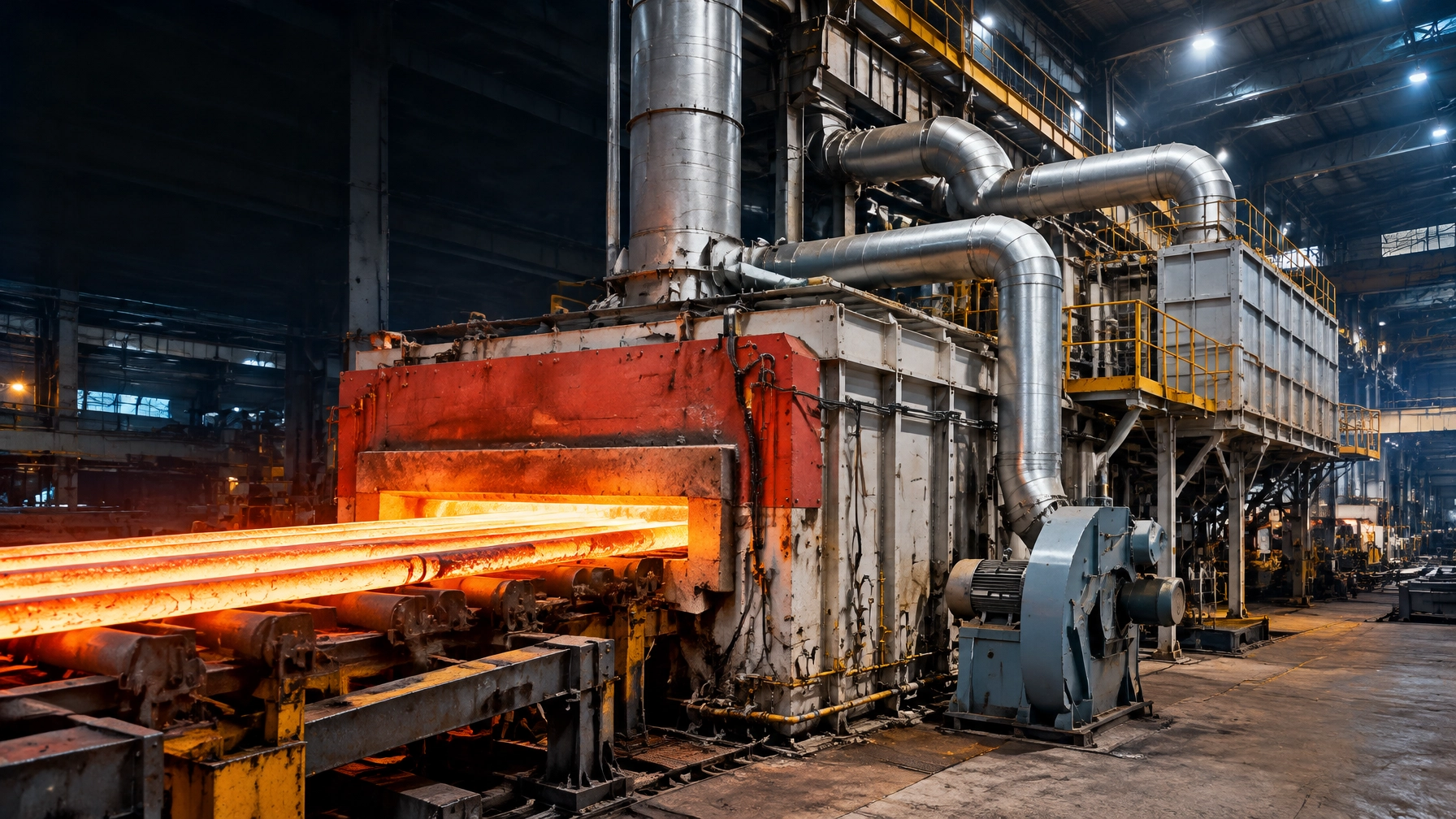
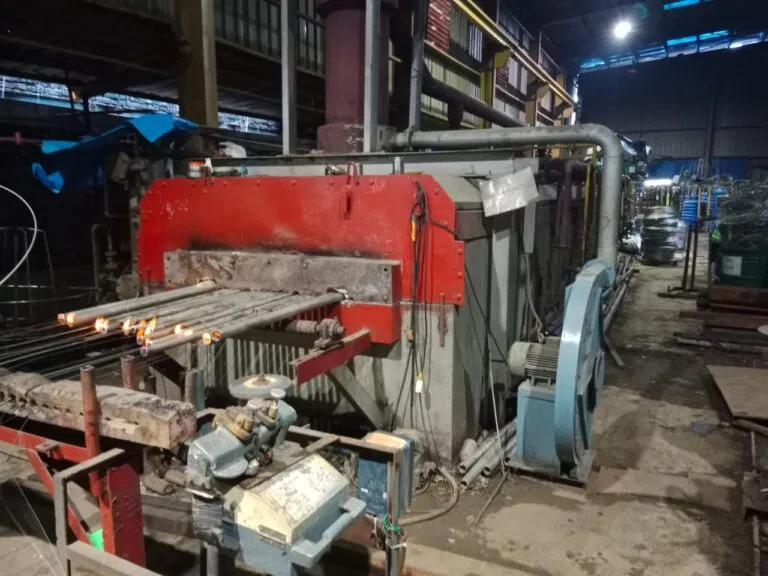
Morning Edition | 22 October 2026 For high-carbon steels, spring grades and wire rod, decarburization is a surface-quality issue with direct consequences for fatigue performance, yield and downstream processing cost. A component can meet its bulk chemistry target and still fail to deliver reliable service if its surface loses carbon during reheating, rolling or heat […]
Read More
Continental Furnaces Industrial Insights (Afternoon Edition): Pickling-Line Acid Management & Regeneration 2026, Hydrochloric Acid Balance, Spent Liquor Recovery and Pyrohydrolysis Economics for Steel Rolling Mills and Surface Treatment Lines

Yesterday’s Morning Edition examined scale loss and exothermic oxidation upstream. This Afternoon Edition follows the dissolved scale downstream: how a pickling line manages hydrochloric acid, handles spent pickle liquor and can recover both acid and iron values through thermal regeneration. For a steel rolling mill or surface-treatment line, acid management is more than a chemical […]
Read More

Continental Furnaces Industrial Insights (Morning Edition): Scale Loss & Exothermic Oxidation Management 2026, Yield Protection, Atmosphere Control and Low-Scale Heating Strategies for Steel Rolling Mills and Reheat Furnaces

In a steel rolling mill, mill scale is more than a housekeeping issue. It represents metal lost before rolling, added work at descaling, and a potential source of surface defects. Oxidation also releases heat inside the furnace, but that energy credit is small compared with the value of the steel sacrificed. Effective scale management balances […]
Read More

Continental Furnaces Industrial Insights (Morning Edition): Waste Heat Recovery & Combustion Air Preheating 2026, Recuperators, Regenerative Burners and Stack Loss Economics for Steel Rolling Mills and Fuel-Fired Furnaces

For plant heads, operations directors and energy managers, waste heat recovery is a direct opportunity to improve fuel productivity without compromising throughput or product quality. In a fuel-fired furnace, high-temperature exhaust carries energy that could instead preheat combustion air, charge material or supply useful steam. The economics depend on the furnace and the operating pattern, […]
Read More

Continental Furnaces Industrial Insights (Afternoon Edition): Furnace Pressure Control & Air Infiltration Management 2026, Sealing Systems, Door Discipline, Pressure Cascade Control and Fuel-Efficiency Recovery for Steel Rolling Mills, Heat Treatment Furnaces and Melting Operations

Furnace pressure is easy to overlook until fuel use climbs, temperature uniformity drifts or operators find hot-gas leakage around doors and joints. In fuel-fired industrial furnace systems, pressure control and sealing work together: a poor setpoint can pull cold air inside, while inadequate seals let valuable heat escape. For plant managers and maintenance teams, the […]
Read More

Continental Furnaces Industrial Insights (Afternoon Edition): Furnace Spare Parts Strategy 2026, Criticality Analysis, Inventory Optimisation, Obsolescence Management and Predictive Readiness for Steel Rolling Mills, Heat Treatment Furnaces and Melting Operations

Spare-parts strategy is a production-continuity decision, not simply a purchasing exercise. A missing thermocouple, burner component or PLC module may stop a furnace, compromise product quality or extend a planned outage. At the same time, excessive stock ties up capital and increases the risk of deterioration and obsolescence. For a steel rolling mill, heat treatment […]
Read More

Ready to Optimize Your Thermal Processing?

Contact our experts for a free consultation.

Translate »
+91 98113 04306