Morning Edition | Scheduled for the next morning edition slot
For every steel rolling mill, billet reheating is more than a temperature-control operation. It is a direct driver of fuel consumption, rolling yield, scale loss, product quality, emissions performance, and profitability.
In 2026, the benchmark is no longer simply whether a reheating furnace reaches rolling temperature. The benchmark is whether the complete furnace system delivers stable heat transfer, measurable energy intensity, predictable throughput, and auditable emissions data.
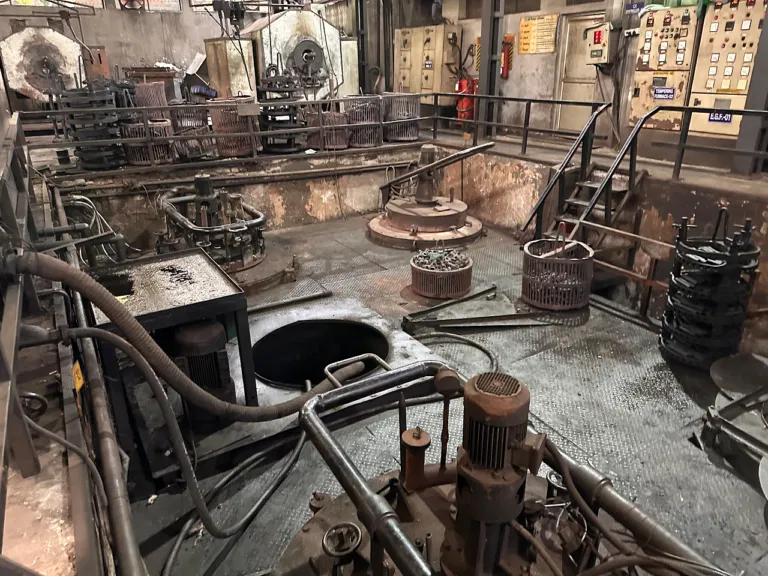
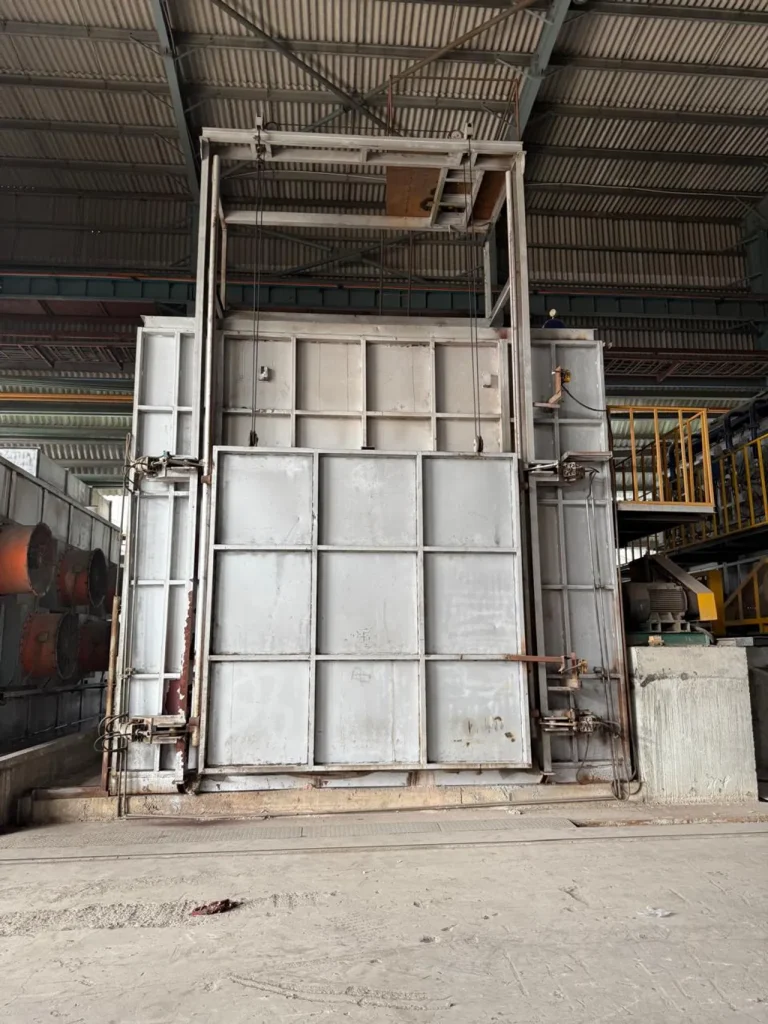
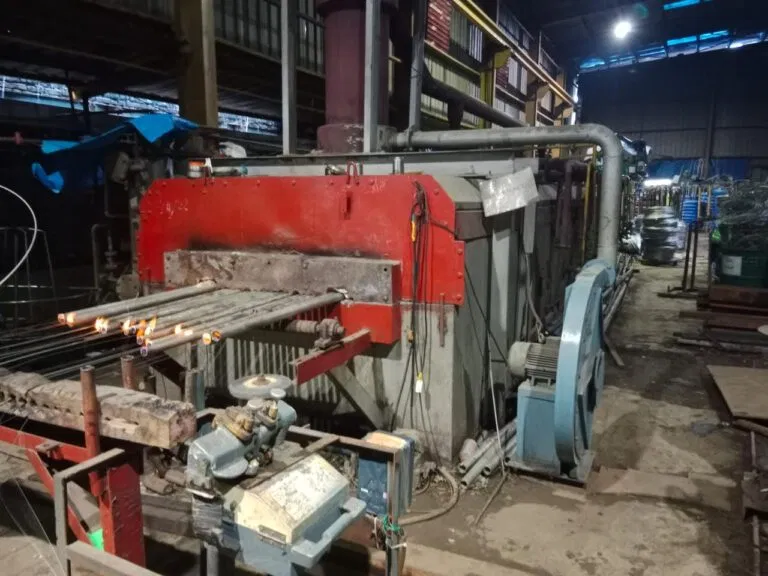
Continental Furnaces’ billet reheating furnace (BRF) solutions are engineered for capacities from 10 to 120 tonnes per hour, operating ranges from 700°C to 1,320°C, and fuel configurations including natural gas, oil, and dual-fuel systems. PLC-based control, recuperators, optimized combustion, and customized material-handling arrangements create a practical foundation for energy-efficient rolling mill modernization.
Why billet reheating is a 2026 strategic priority
Billets must be heated uniformly before entering the rolling stands. Insufficient heating reduces workability and increases rolling loads. Excessive heating increases fuel consumption, oxidation, decarburization, and scale formation.
A typical operating strategy targets billet discharge temperatures in the approximate range of 1,100°C to 1,250°C, depending on steel grade, billet dimensions, rolling schedule, and downstream requirements. The furnace must deliver this temperature consistently across the billet cross-section: not merely at the surface.
Key performance indicators include:
- Specific fuel consumption: measured in GJ/t or kcal/t
- Furnace throughput in tonnes per hour
- Billet discharge-temperature uniformity
- Scale loss and material yield
- Furnace availability and unplanned downtime
- Burner turndown and excess-air performance
- Heat-recovery effectiveness
- PLC, SCADA, and production-data integration
Industry benchmarks place conventional billet reheating fuel consumption broadly around 450–650 MJ/t, while modern integrated furnace systems can target approximately 280–380 MJ/t, depending on charge temperature, furnace design, fuel, operating discipline, and production mix.
The commercial impact is substantial. A reduction of 50 MJ/t at a 60 tph furnace operating 6,000 hours annually represents approximately 18,000 GJ of energy savings per year.
The Continental Furnaces BRF platform
A high-performance BRF must be designed around the rolling mill rather than treated as an isolated piece of thermal processing equipment.
Continental Furnaces’ BRF solutions can be configured around:
- 10–120 tph production capacity
- Operating temperatures from 700°C to 1,320°C
- Natural gas, oil, or dual-fuel firing
- PLC-based automatic sequencing and interlocks
- Recuperators for combustion-air preheating
- Controlled heating and soaking zones
- Automated billet charging and discharge
- Furnace-pressure and temperature monitoring
- Customized layouts for CCM, CCR, and steel rolling mill integration
The correct configuration depends on billet dimensions, steel chemistry, caster output, rolling speed, plant layout, fuel availability, and required production flexibility.
A furnace designed for a continuous casting and rolling route must also account for transfer timing. Synchronizing caster production with furnace loading reduces idle heating, billet cooling, reheating demand, and unnecessary handling.
The essential energy-efficiency measures
1. Hot charging and direct rolling
Hot charging transfers billets from continuous casting to the reheating furnace while they remain at elevated temperature. Depending on the transfer route, charge temperature may range from approximately 600°C to 1,000°C.
This process can deliver:
- 15–30% lower reheating fuel demand
- Approximately 0.3–1.0 GJ/t route-level energy savings
- Lower scale formation
- Reduced furnace residence time
- Improved yield
- Lower billet-handling requirements
Direct rolling extends this principle by minimizing intermediate cooling between casting and rolling. It requires production scheduling, caster speed, furnace buffering, and rolling-mill coordination to operate as one integrated process.
Continental Furnaces’ technical perspective on hot charging and direct rolling outlines why process integration must be evaluated before final furnace selection.
2. Recuperation and combustion control
Recuperators transfer heat from furnace exhaust gases to incoming combustion air. Preheated air improves flame performance and reduces the energy required to reach the required furnace temperature.
Typical recuperative systems can reduce fuel consumption by approximately 15–25%, depending on the existing furnace condition, operating profile, exhaust temperature, and charging practice.
The efficiency package should also include:
- Automatic air-to-fuel ratio control
- Oxygen and flue-gas monitoring
- Stable furnace-pressure control
- Low-excess-air operation
- Burner balancing across heating zones
- High-efficiency burners
- Sealed doors and charging openings
- Improved refractory and insulation
A furnace with damaged refractory, uncontrolled air infiltration, or excessive oxygen in the exhaust cannot achieve its designed specific fuel consumption.

3. Oxy-fuel and hybrid combustion
Oxy-fuel combustion can increase heat-transfer intensity and reduce the volume of nitrogen carried through the exhaust stream. It becomes attractive where oxygen supply, fuel pricing, furnace geometry, and emissions requirements support the business case.
Hybrid systems also provide flexibility. A dual-fuel BRF can help a rolling mill manage:
- Natural-gas supply interruptions
- Oil or gas price volatility
- Seasonal fuel availability
- Backup-fuel requirements
- Future transition to lower-carbon fuels
Oxy-fuel is not an automatic solution for every plant. It requires a complete assessment of burner design, refractory loading, flame temperature, NOx formation, oxygen cost, and control philosophy.
4. Waste-heat recovery
Waste heat from billet reheating can be used for more than combustion-air preheating. Depending on the plant layout, recovered heat may support:
- Billet or scrap preheating
- Combustion-air systems
- Process-water heating
- Ladle and tundish preheating
- Steam generation
- Adjacent low-temperature processes
A feasibility study should measure exhaust temperature, flow rate, oxygen concentration, pressure drop, operating hours, and available heat sinks.
Combined improvements in waste-heat recovery, sealing, insulation, and combustion control can produce 0.3–0.5 GJ/t of route-level savings in suitable installations. Indicative payback periods range from 18 months to four years, depending on operating hours, fuel prices, capital scope, and production stability.
Traditional versus modern BRF operations
| Metric | Traditional furnace operation | Modern integrated BRF approach |
|---|---|---|
| Typical charge condition | Cold billet, approximately 20–40°C | Hot or warm charging where practical |
| Specific reheating energy | Approximately 450–650 MJ/t | Approximately 280–380 MJ/t target range |
| Combustion control | Manual or fixed settings | PLC-controlled, sensor-based adjustment |
| Heat recovery | Limited or absent | Recuperator and waste-heat integration |
| Furnace pressure | Periodically checked | Continuously monitored |
| Maintenance strategy | Reactive | Predictive and condition-based |
| Labour requirement | Higher manual intervention | Automated loading, monitoring, and alarms |
| Indicative retrofit payback | Not applicable | Approximately 1.5–4 years, site-dependent |
These figures are planning benchmarks rather than universal guarantees. Actual performance depends on billet size, steel grade, furnace loading, fuel, operating schedule, refractory condition, and rolling-mill integration.
EAF growth and the new steel manufacturing landscape
Electric arc furnace growth is reshaping steel production. EAF-based plants benefit from flexible production, scrap utilization, shorter process routes, and strong compatibility with long-product rolling mills.
However, EAF growth does not eliminate the need for efficient reheating. EAF billet casters and rolling mills still require optimized thermal processing, especially when hot charging is not continuously available.
A modern plant must therefore coordinate:
- EAF melting schedules
- Continuous casting output
- Scrap and billet availability
- Reheating furnace loading
- Rolling-mill demand
- Electricity and fuel tariffs
- Product-grade sequencing
The wider International Energy Agency iron and steel outlook identifies efficiency, scrap utilization, electrification, hydrogen, and process integration as central decarbonization pathways.
CBAM makes furnace data commercially important
The European Union’s Carbon Border Adjustment Mechanism entered its definitive regime on 1 January 2026 and covers selected iron, steel, and aluminium imports. The European Commission’s CBAM guidance makes clear that importers must manage embedded-emissions reporting and certificate obligations.
For steel exporters, furnace data should connect:
- Fuel consumption to production tonnes
- Electricity use to production campaigns
- Billet grade and charge temperature to furnace records
- Furnace operating profiles to rolling output
- Scale loss to finished-product yield
- Recovered heat to documented energy reduction
- Emissions calculations to defined production boundaries
A PLC-controlled BRF with reliable flow meters, calibrated temperature sensors, oxygen monitoring, and production interfaces creates the data foundation required for energy management and regulatory compliance.

Industry 4.0: turning thermal data into profitability
Industry 4.0 transforms a reheating furnace from a stand-alone machine into a connected production asset.
Priority data points include:
- GJ/t by billet grade and shift
- Zone temperatures and discharge temperature
- Fuel flow and air-to-fuel ratio
- Furnace pressure and oxygen concentration
- Burner status and fault history
- Refractory hot spots
- Door leakage
- Furnace idle time
- Scale loss and yield
- Unplanned stoppages
Digital monitoring allows operators to identify drift before it becomes a quality failure or production stoppage. Predictive maintenance can also monitor burners, recuperators, fans, seals, refractory condition, and control components.
A practical roadmap for rolling mill modernization
Phase 1: Assessment and planning : 0 to 4 weeks
Establish the baseline:
- Measure current GJ/t and kcal/t
- Record billet charging and discharge temperatures
- Audit furnace residence time
- Inspect burners, seals, and refractory
- Review exhaust temperature and oxygen
- Quantify scale loss and yield
- Map PLC, SCADA, and MES capability
Phase 2: Operational optimization : 1 to 3 months
Implement immediate improvements:
- Correct heating recipes
- Reduce unnecessary holding
- Balance burners
- Control excess air
- Repair door seals
- Calibrate sensors
- Synchronize caster and rolling schedules
- Minimize low-load operation
Phase 3: Thermal retrofit : 3 to 12 months
Evaluate:
- Recuperative or regenerative burners
- Oxy-fuel options
- Insulation and refractory upgrades
- Variable-speed combustion-air fans
- Automated billet temperature measurement
- Flue-gas heat recovery
- Dual-fuel or hydrogen-ready gas trains
Phase 4: Full process integration : 12 to 36 months
Integrate the BRF with:
- CCM or CCR operations
- Hot billet transfer
- Rolling-mill production planning
- MES and digital dashboards
- Automated sequencing
- Predictive maintenance
- CBAM emissions reporting
Lifecycle reliability across industrial furnace systems
Energy efficiency must be protected throughout the asset lifecycle. A failed burner component, thermocouple, PLC module, refractory section, or recuperator can erase planned savings within a single production shift.
A reliable stock of furnace spare parts should include:
- Flame scanners and ignition electrodes
- Thermocouples and temperature sensors
- Burner nozzles and control valves
- PLC modules and safety relays
- Refractory components
- Door seals and bearings
- Fan, motor, and VFD components
- Hydraulic and pneumatic parts
The same lifecycle discipline applies to heat treatment furnaces, an aluminum melting furnace, a melting furnace for steel, a hot dip galvanizing plant, a metal recycling furnace, and thermal systems serving the wire and cable industry.
Review Continental Furnaces’ Heat Treatment Furnaces, Melting Furnaces and Recycling Projects, and Furnace Spares and Accessories for additional thermal-processing capabilities.
Conclusion: make energy efficiency the new operating standard
The 2026 billet reheating benchmark is clear:
- Measure energy intensity accurately
- Maximize hot charging
- Use recuperation and waste-heat recovery
- Optimize combustion and furnace pressure
- Upgrade refractory and insulation systems
- Connect PLC data with production planning
- Prepare for EAF growth, CBAM, and lower-carbon fuels
- Protect uptime with critical furnace spare parts
As an experienced industrial furnace manufacturer, Continental Furnaces combines more than 35 years of engineering expertise, customized design, ISO-certified quality, energy-efficient technology, and responsive lifecycle support.
Consult Continental Furnaces to assess your billet reheating operation, define a phased modernization roadmap, and convert thermal efficiency into sustained competitive advantage.