In the current industrial landscape, the pursuit of energy efficiency has evolved from a secondary operational goal into a fundamental strategic imperative. As we navigate 2026, the thermal processing sector is witnessing a paradigm shift. Regulatory pressures, combined with the escalating cost of carbon and the volatility of traditional fuel markets, have rendered legacy industrial furnace systems obsolete.
At Continental Furnaces, we have spent over 35 years at the intersection of metallurgy and engineering. We have observed that the difference between a profitable facility and one struggling with overhead often comes down to the "thermal intelligence" of their equipment. Today’s high-performance thermal processing equipment must do more than just generate heat; it must manage energy with surgical precision.
Below, we examine the five critical breakthroughs that are defining the next generation of industrial efficiency.
1. AI-Driven Thermal Profiling and Digital Twins
The integration of Industry 4.0 into heat treatment furnaces is perhaps the most significant "quantum leap" in recent history. By deploying AI-based controls, manufacturers are moving away from fixed-parameter heating.
- Real-Time Optimization: AI algorithms now adjust fuel-to-air ratios in real-time, responding to sensor data that captures load variations and ambient conditions. This can result in 15–25% energy savings compared to traditional manual or PID controls.
- Digital Twins: By creating a virtual replica of the furnace, engineers can simulate ramp profiles and burner settings without risking product quality. This is particularly vital in a steel rolling mill, where precise temperature uniformity is non-negotiable for metallurgical integrity.
- Predictive Maintenance: Smart sensors detect subtle degradations in furnace spare parts such as burners or fans weeks before failure, reducing unplanned downtime by up to 60%.

Our centralized control solutions empower operators with real-time data to maximize yield and minimize waste.
2. The Hydrogen-Ready Revolution in Melting Technology
As the global energy mix shifts, flexibility has become a cornerstone of furnace design. Whether you are operating a melting furnace for steel or an aluminum melting furnace, the ability to transition between fuels is essential for future-proofing your investment.
Modern industrial furnace manufacturers are now delivering "hydrogen-ready" combustion systems. These systems are engineered to handle the unique flame speeds and thermal characteristics of hydrogen-blended fuels. In the aluminum melting furnace applications, for instance, high-efficiency burners are now maintaining peak performance even as fuel compositions fluctuate, ensuring that sustainability does not come at the cost of production throughput.
3. Advanced Waste Heat Recovery: Beyond Recuperation
Traditional recuperators were designed to capture a fraction of exhaust heat. In 2026, we are seeing the rise of Phase-Change Material (PCM) heat storage and thermoelectric generators.
- PCM Storage: These systems capture thermal energy during peak operation and release it during low-load periods, effectively smoothing the energy demand curve.
- Thermoelectric Integration: New systems convert high-temperature waste heat directly into electricity, which can be used to power auxiliary plant systems, further improving the overall site ROI.
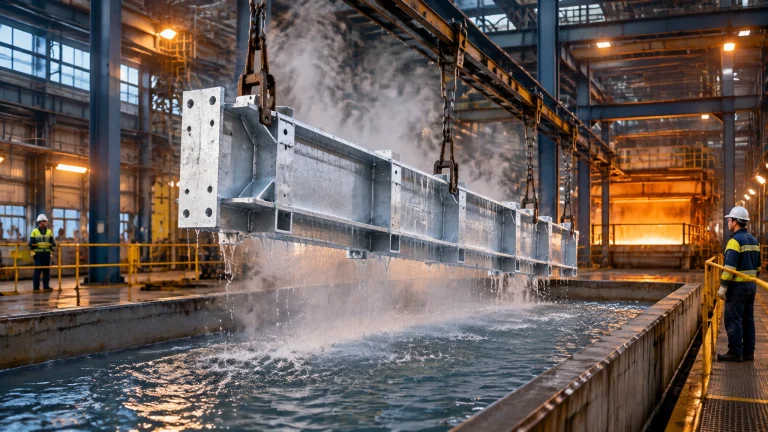
- Membrane Technology: Advanced polymer composite heat exchangers allow for recovery in highly corrosive environments, such as those found in a hot dip galvanizing plant or a chemical pickling plant.
4. Nanotech Insulation and Ultra-Light Refractories
Heat loss through furnace walls is a silent profit killer. The latest advancements in material science have introduced nanotechnology-enabled refractories with significantly lower thermal conductivity.
- Reduced Mass: Ultra-lightweight ceramic fibers allow for faster heat-up and cool-down cycles, increasing productivity in batch-type heat treatment furnaces.
- Thermal Barriers: These materials provide superior insulation with thinner profiles, allowing for larger internal volumes without increasing the external footprint of the unit.
- Durability: Enhanced resistance to thermal shock extends the lifespan of the furnace lining, reducing the frequency of major maintenance overhauls.

Continental Furnaces' continuous thermal systems utilize advanced insulation to ensure consistent heating for high-throughput steel processing.
5. High-Efficiency Electrification and Hybridization
The push toward decarbonization has accelerated the adoption of electric induction systems, particularly in the wire and cable industry.
The efficiency comparison is stark:
- Gas-Fired Systems: Typically operate at 45–55% efficiency.
- Electric Induction Systems: Reach 65–75% energy efficiency.
For facilities located in regions with strict emission guidelines, hybrid designs that combine gas for initial melting and electric for precise temperature holding offer a strategic middle ground, balancing operational costs with regulatory compliance. This is a critical consideration for any modern metal recycling furnace project aimed at building a sustainable industrial future.
Comparative Analysis: Legacy vs. 2026 Continental Standards
| Feature | Traditional Systems (Pre-2020) | 2026 Continental Standards | Competitive Advantage |
|---|---|---|---|
| Control Logic | Fixed Parameter / Manual | AI-Driven Digital Twins | 15-25% Energy Savings |
| Energy Source | Single-Fuel Dependent | Hydrogen-Ready / Hybrid | Reduced Carbon Risk |
| Heat Recovery | Conventional Recuperator | PCM & Thermoelectric | Higher Thermal Yield |
| Maintenance | Reactive (Fix on Fail) | Predictive (AI-Monitored) | 60% Less Downtime |
| Refractory | Heavy Firebrick | Nanotech Ceramic Fiber | Faster Cycle Times |
The Roadmap to Thermal Transformation
Transitioning your facility to these modern standards is not an overnight process; it requires a phased, strategic approach.
- Phase 1: Thermal Audit & Baseline (Weeks 1-4): Identifying energy leaks and inefficiencies in your current industrial furnace systems.
- Phase 2: Digital Integration (Weeks 5-12): Installing smart sensors and AI-control layers to existing hardware where possible.
- Phase 3: Component Retrofit (Months 4-8): Upgrading to high-efficiency burners and furnace spare parts that support fuel flexibility.
- Phase 4: Full System Optimization (Ongoing): Implementation of waste heat recovery and next-gen insulation during planned shutdowns.
Sustained Competitive Advantage
In the capital-intensive world of metal processing, the equipment you choose today will dictate your profitability for the next two decades. At Continental Furnaces, we don't just provide hardware; we provide a partnership rooted in engineering excellence and technical wisdom.
Whether you are upgrading a steel rolling mill or seeking a new bogie hearth furnace, our team is ready to consult on a solution that maximizes your yield while minimizing your environmental footprint.
Strategic Consultation Invited:
Is your facility ready for the 2026 efficiency mandates? Contact our engineering team today at confur.net to schedule a comprehensive thermal audit and secure your competitive edge in the global market.